Soft Boiled Eggs (How to Make the Perfect Runny Yolk)
Soft boiled eggs look easy. However, they are one of the most frustrating breakfast foods to get right. One minute too long, and the yolk turns firm. Thirty seconds too short, and the whites may still look slightly undercooked. Many home cooks struggle with timing, egg size differences, and knowing exactly when the egg is done.
If you have ever cut into an egg and felt disappointed, you are not alone. The good news is that soft boiled eggs follow clear timing rules. Once you understand how heat affects the whites and yolk, you can control the texture every time. In this guide, you will learn exactly how long to cook soft boiled eggs, how to prevent overcooking, and how to get consistent, reliable results.
Key Takeaways
- Use large, fridge-cold eggs for consistent results.
- Cook for 4–6 minutes after water returns to a gentle boil.
- Cool immediately in ice water to stop carryover cooking.
- Adjust by 30 seconds based on egg size and altitude.
Quick Answer How Long to Cook Soft-Boiled Eggs
Cook soft boiled eggs for 4 to 6 minutes after the water returns to a gentle boil.
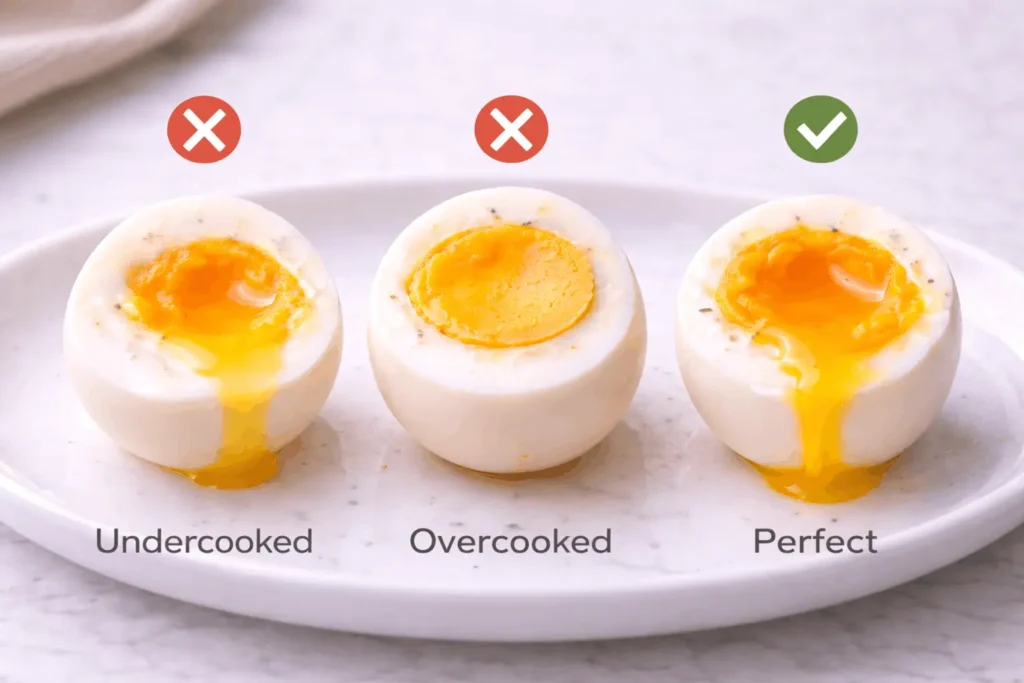
- 4 minutes = very runny center
- 5 minutes = classic runny yolk
- 6 minutes = slightly thicker but still flowing
Immediately transfer the eggs to an ice bath. This stops carryover cooking and keeps the yolk from firming further.
Soft Boiled Egg Quick Reference Chart
| Texture Goal | Cooking Time | Best For |
|---|---|---|
| Very Runny | 4 minutes | Toast soldiers, egg cups |
| Classic Runny | 5 minutes | Breakfast plates, bowls |
| Slightly Thick | 6 minutes | Ramen bowls, spoon service |
| Custardy (Jammy) | 6–7 minutes | Marinated eggs |
If you prefer a thicker center, see our detailed guide on jammy eggs.
What Is a Soft Boiled Egg? (Texture Explained)
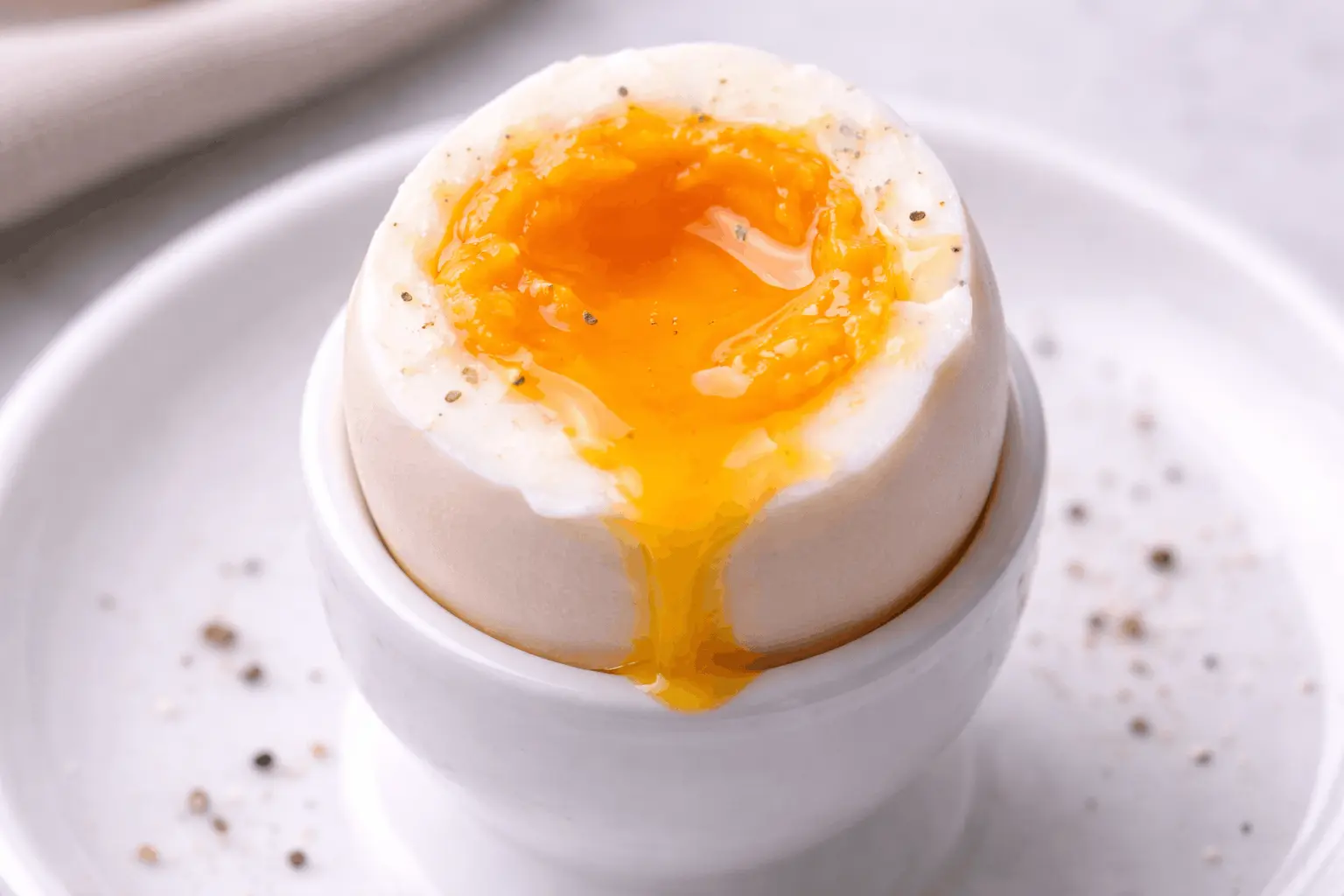
A soft-boiled egg has:
- Fully set whites
- A flowing or liquid yolk
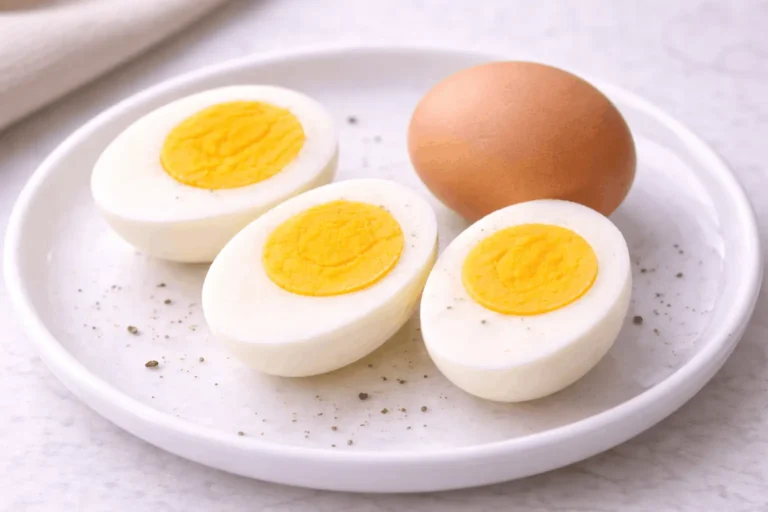
It is different from jammy eggs, which have a thicker, custardy center. It is also different from hard-boiled eggs, which have a fully firm yolk.
Many people choose soft boiled eggs because they want that classic runny yolk texture for breakfast, toast, or ramen.
Methods for Making Soft-Boiled Eggs
There are several techniques. However, the boiling-water start method offers the most precise control.
Method 1: Boiling Water Start (Most Reliable)
This method is the best choice when you want consistent timing.
What You Need
- Large eggs (cold from the refrigerator)
- Saucepan
- Water
- Slotted spoon
- Bowl of ice water
Step-by-Step Instructions
- First, bring water to a gentle boil. Avoid a violent rolling boil.
- Then, lower the eggs carefully into the water using a spoon.
- Next, wait for the water to return to a gentle boil.
- After that, start your timer.
- Cook for 4–6 minutes, depending on your preferred texture.
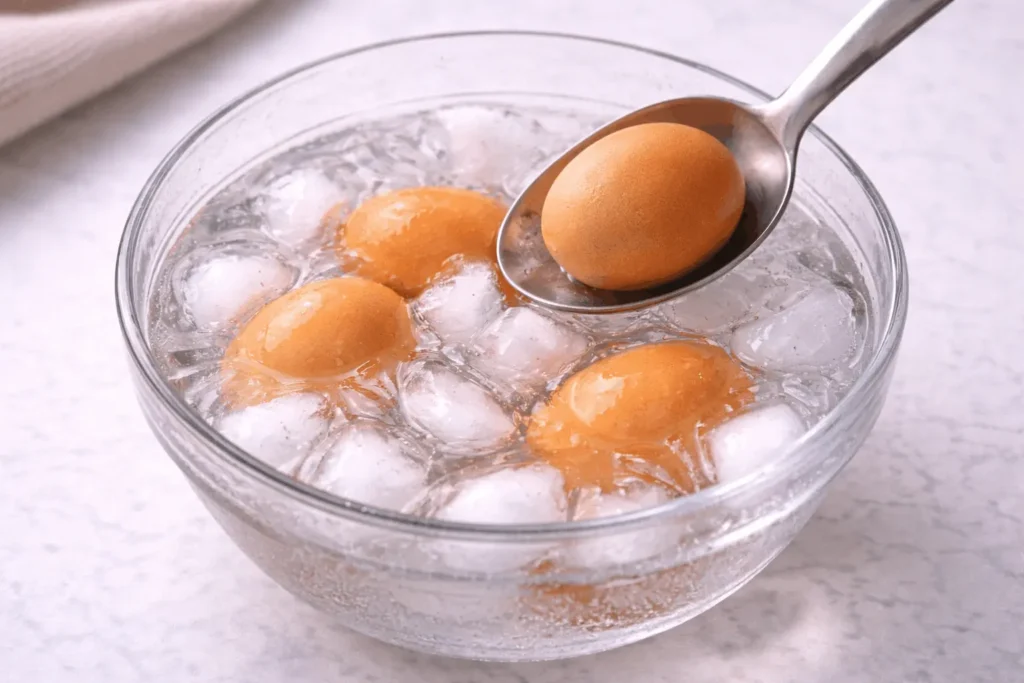
- Finally, transfer the eggs straight to an ice bath.
Because heat stays trapped inside the shell, cooling quickly is essential. Otherwise, the yolk may continue to cook.
How Long to Keep Eggs in Ice Water
Cool for at least 5 minutes. This stops cooking and makes handling easier.
Method 2: Cold Water Start
Some cooks prefer starting in cold water.
- Place eggs in a single layer in a pot.
- Cover with cold water by about 1 inch.
- Bring to a boil.
- Turn off heat and cover.
- Let sit for 4–6 minutes.
- Transfer to ice water.
This method works well. However, it can be a little less precise than the boiling-water start.
Check out our detail guide on: How to Boil Eggs Properly.
Method 3: Steaming Soft Boiled Eggs
Steaming can cook eggs evenly and may help with peeling.
- Bring 1 inch of water to a boil.
- Place eggs in a steamer basket.
- Cover and steam for 5–7 minutes.
- Transfer to ice water.
Because steam surrounds the shell evenly, some cooks prefer this technique. Check out our detailed guide on How to Steam Eggs.
Method 4: Air Fryer Soft-Boiled Eggs
You can make soft boiled eggs in an air fryer.
Cook at approximately 270°F to 280°F for 9–11 minutes. However, air fryer models vary. Therefore, test once and adjust timing as needed.
Always cool the eggs immediately in ice water.
Check out our detail guide on Air Fryer Soft-Boiled Eggs.
Method 5: Instant Pot Soft-Boiled Eggs
Pressure cooking can produce reliable results, but timing varies by model.
A simple approach:
- Pressure cook on low for about 3 minutes
- Quick release
- Transfer immediately to ice water
Because pressure cookers vary, small timing adjustments may be necessary.Check out our detail guide on Instant Pot Soft-Boiled Eggs.
Precision Control and Common Frustrations
How to Get Fully Set Whites with a Runny Yolk
This is the #1 complaint in Reddit and Quora threads: runny yolk, but whites not fully cooked.
Egg whites set at a slightly higher temperature than yolks. Because of that, you need enough time for whites, without pushing the yolk too far.
To improve results:
- Use large, fridge-cold eggs for consistent timing
- Keep the water at a gentle boil, not a hard boil
- Adjust in 30-second steps until it matches your preference
Why Soft Boiled Eggs Overcook So Easily
Soft boiled eggs are sensitive because the yolk changes fast.
Eggs keep cooking after you remove them from hot water. This is called carryover cooking. Heat remains trapped inside the shell, so even 30–60 seconds can firm the yolk more than you want.
That is why the ice bath matters. It does not just cool the egg. It protects the yolk texture.
Why Fridge Cold Eggs Work Best
Fridge-cold eggs give you a bigger timing “buffer.” They also behave more consistently from one cook to the next.
Room temperature eggs cook faster. If you use warmer eggs, reduce cooking time by about 30 seconds, then adjust from there.
Best Egg Size for Soft Boiled Eggs
Large eggs are the “default” in most timing guides.
| Egg Size | Timing Adjustment |
|---|---|
| Medium | Reduce by ~30 seconds |
| Large | Standard timing |
| Extra-Large | Add ~30 seconds |
If you switch egg sizes, expect timing to change.
Soft Boiled Eggs at High Altitude
At higher elevations, water boils at a lower temperature. As a result, eggs cook more slowly.
If you live above 3,000 feet, add 30–60 seconds, then adjust based on your preferred texture.
Should You Cover the Pot While Cooking?
Covering the pot traps steam and can increase heat slightly. Leaving it uncovered may slow cooking a bit.
However, consistency matters more than the lid. Pick one method and repeat it each time.
Soft Boiled Egg Adjustment Cheat Sheet
- Too runny? Add 30 seconds next time.
- Yolk too firm? Reduce by 30 seconds.
- Whites undercooked? Use fridge-cold eggs and add 30–60 seconds.
- Egg cracked? Lower to a gentle boil and lower eggs in carefully.
How to Peel Soft Boiled Eggs
Soft boiled eggs can be difficult to peel. Very fresh eggs can be especially stubborn because the inner membrane sticks to the white.
When to Serve in the Shell (Easiest Method)
Use an egg cup. Crack the top and scoop with a spoon. This avoids peeling completely.
Spoon Method (Best for Peeled Soft Eggs)
Tap the wide end (where the air pocket usually sits). Slide a spoon under the shell and gently lift.
Peeling Under Water
Peel under running water to help separate the membrane from the white. This can reduce tearing.
For firm eggs, see our guide on how to peel hard-boiled eggs easily.
How to Test Doneness Without Cutting the Egg
You can use a simple “feel” test.
Gently shake the egg near your ear. A slight movement inside usually means a softer center. This takes practice, but it can help once you know your preferred timing.
Batch Cooking Note
You can cook multiple soft boiled eggs at once as long as they sit in a single layer in the pot and the water returns to a gentle boil quickly.
If you overcrowd the pot, the temperature may drop too much and timing can become inconsistent.
Ways to Use Soft-Boiled Eggs (Utilization / Recipe Ideas)
Soft boiled eggs are often part of a meal.
- With toast soldiers
- In ramen bowls
- On grain bowls
- Over salads
- On avocado toast
Japanese Hanjuku Tamago (Marinated Soft Eggs)
For a ramen-style base egg, many people prefer 6–7 minutes, then peel and marinate in soy sauce and mirin.
Soft Boiled Eggs vs Jammy Eggs
Soft boiled eggs cook for 4–6 minutes and have a flowing yolk.
Jammy eggs cook for about 6–7 minutes and have a custardy center.
If you prefer that texture, see our jammy egg guide.
Soft Boiled Eggs vs Poached Eggs
Soft-boiled eggs cook inside the shell. Poached eggs are cracked directly into hot water.
Both can have soft centers. However, the methods are different, and the shapes are different. If you want a shell-free egg with a similar texture, poaching is the alternative.
Soft Boiled Eggs vs Jammy vs Hard (Quick Comparison)
| Type | Time | Yolk Texture |
|---|---|---|
| Soft | 4–6 min | Flowing |
| Jammy | 6–7 min | Custardy |
| Hard | 9–12 min | Fully firm |
Can You Store or Reheat Soft-Boiled Eggs?
Soft boiled eggs are best eaten fresh.
If necessary, refrigerate and consume within 1–2 days. However, reheating may firm the yolk further. Therefore, cooking fresh soft boiled eggs usually provides the best texture.
For full storage guidance, see our article on how long eggs last in the fridge.
Common Problems and Fixes
| Problem | Cause | Solution |
|---|---|---|
| Whites still translucent | Not enough time | Add 30 seconds |
| Yolk too firm | Overcooked | Reduce by 30 seconds |
| Egg cracked | Water boiling too hard / drop impact | Use gentle boil, lower eggs carefully |
| Not runny enough | Egg too large / too long | Reduce time or adjust size |
| Hard to peel | Very fresh eggs | Use shell-serving or spoon method |
Frequently Asked Questions
Do you start with cold water or boiling water?
Both work. However, boiling water offers more precise timing.
How do you know when soft boiled eggs are done?
Use a timer and cool in ice water. With practice, a gentle shake test can also help.
Can you overcook soft boiled eggs?
Yes. Even one extra minute can change the texture.
Why are my whites still undercooked?
You may need slightly more time, especially when using larger eggs.
How long do soft boiled eggs last?
They are best eaten immediately. If refrigerated, consume within 1–2 days.
Final Thoughts
Soft boiled eggs are not about luck. They are about timing, temperature control, and consistency. When you use the same egg size, control the boil, and cool the eggs quickly, the results become predictable.
Cooking is a skill built through repetition. Therefore, test your preferred timing once and repeat the same method each time. Over time, you will know exactly how long to cook soft boiled eggs for your ideal texture. With a timer, consistent technique, and proper cooling, you can produce reliable runny yolks whenever you want them.