How to Make Jammy Eggs (Perfect Jammy Yolk in 7 Minutes)
Jammy eggs sound simple, but they frustrate many home cooks. One batch turns out too runny. The next one ends up closer to hard boiled. Even when you follow a recipe, the result can feel inconsistent, especially when the timing is off by less than a minute.
The main problem is that “jammy” is rarely explained clearly. Some guides treat it like a soft boiled egg, while others assume you already know what the texture should be. This article removes that confusion. You’ll learn what a jammy egg actually looks like, how to control the timing, and how to make small adjustments so you can repeat the result with confidence instead of guessing.
Jammy Eggs at a Glance
(Quick Takeaway)
- Fully set whites with a thick, custardy yolk
- Boil large eggs for about 7 minutes
- Transfer to an ice bath right away
- Small timing changes make a big difference
What Are Jammy Eggs?
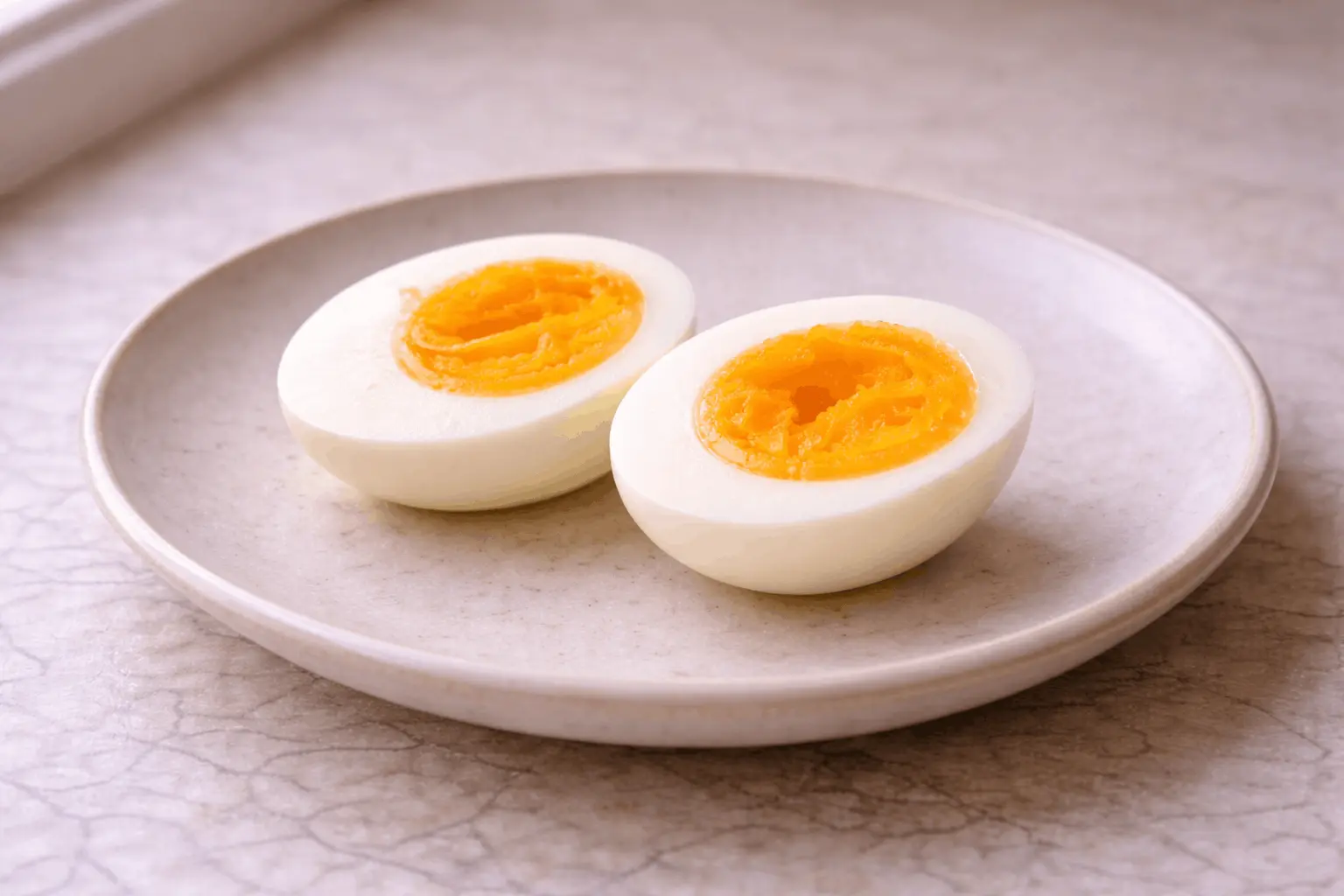
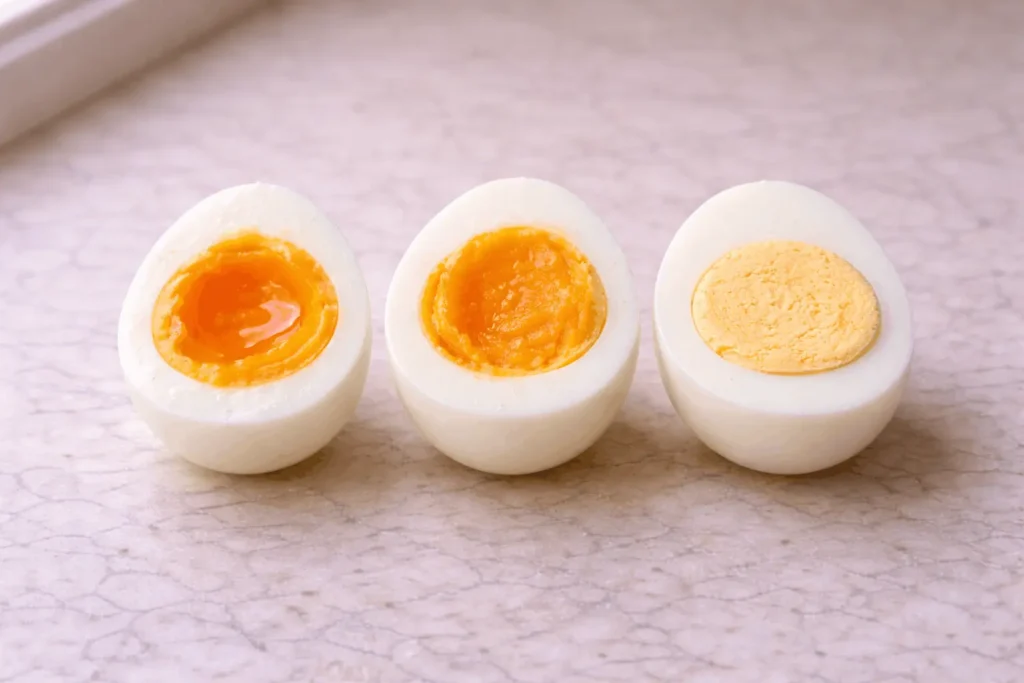
Jammy eggs are eggs with fully set whites and a thick, custardy yolk.
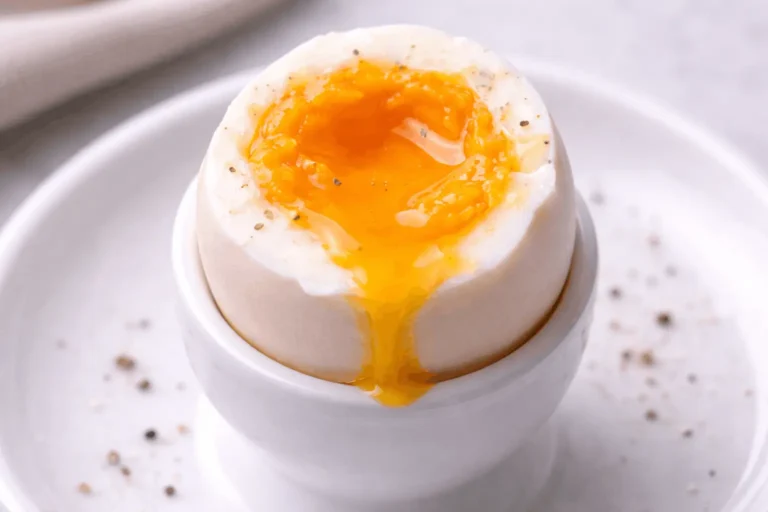
The yolk is not liquid like a soft boiled egg.
It is also not dry like a hard boiled egg.
Jammy eggs sit right between the two. That balance is what gives them their name.
What “Jammy” Actually Looks Like (Texture Guide)
A jammy egg has a clear and specific texture:
- The white is firm and opaque
- The yolk is thick and creamy
- The center holds its shape when cut
- The yolk does not run like sauce
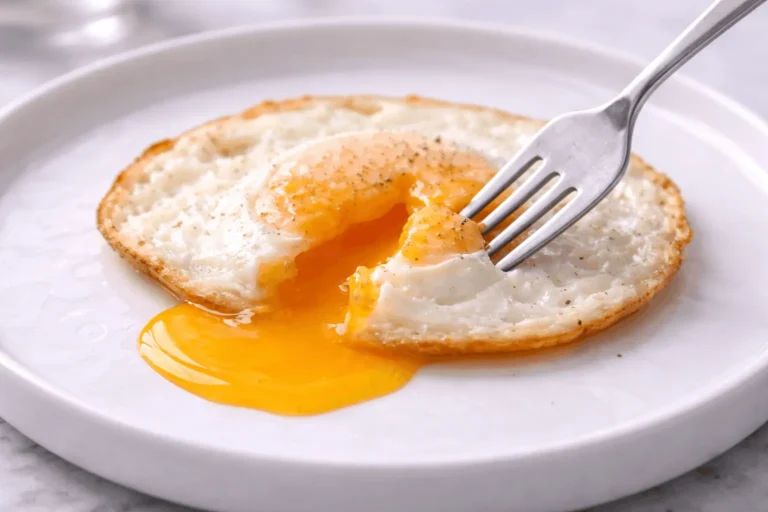
If the yolk spreads across the plate, the egg is soft boiled.
If the yolk looks crumbly or chalky, the egg is hard boiled.
Why Jammy Eggs Are So Popular (And When to Use Them)
Jammy eggs are popular because they balance richness and structure.
They are:
- Easier to eat than very runny eggs
- Creamy without being dry
- Firm enough to slice neatly
People often enjoy jammy eggs:
- On toast
- In salads
- On grain bowls
- As a ramen topping
They add flavor without making dishes messy.
Jammy vs Soft Boiled vs Hard Boiled Eggs
| Egg Type | Egg White | Egg Yolk |
|---|---|---|
| Soft boiled | Set | Very runny |
| Jammy | Fully set | Thick and custardy |
| Hard boiled | Fully set | Fully firm |
Tools and Ingredients You Need
You only need a few basic items:
- Eggs (large eggs work best)
- Saucepan or pot
- Slotted spoon
- Timer
- Bowl with ice and water
Use a pot large enough so the eggs sit in a single layer. This helps them cook evenly and reduces cracking.
How to Make Jammy Eggs (Step-by-Step Method)
Step 1: Bring the Water to a Boil
Fill a pot with enough water to fully cover the eggs.
Bring the water to a rolling boil.
Step 2: Lower the Eggs Gently
Use a slotted spoon to lower the eggs into the boiling water.
Lowering them gently helps prevent cracks.
Some cooks gently stir the eggs for the first 10 seconds to help center the yolk. This step is optional.
Step 3: How Long to Boil Eggs for a Jammy Yolk
Start the timer as soon as the eggs go into the water.
- 7 minutes is a good baseline for large eggs
- For slightly softer centers, try 6½ minutes
- For firmer yolks, try 7½ minutes
These timings assume the eggs are straight from the fridge.
Room temperature eggs may cook a little faster.
Jammy Egg Timing Cheat Sheet
| Egg Type | Cook Time | Yolk Result |
|---|---|---|
| Large (fridge cold) | 7 minutes | Classic jammy |
| Extra-large | 7½ minutes | Slightly firmer jammy |
| Medium | 6½ minutes | Slightly softer jammy |
| Room temperature eggs | −30 seconds | Similar texture |
Step 4: Ice Bath (Why and How Long)
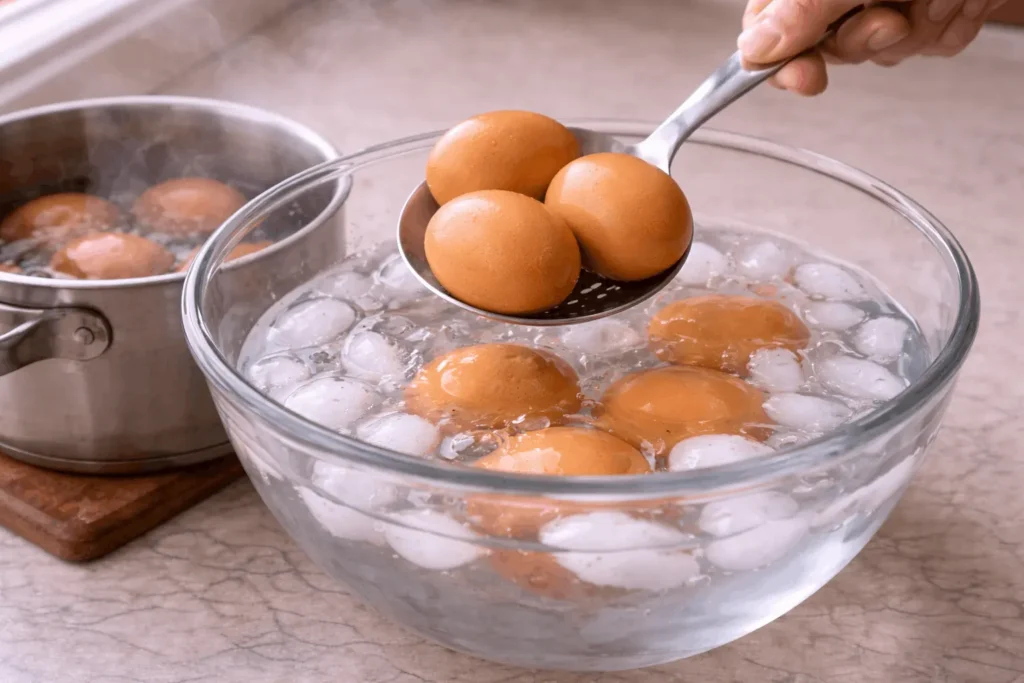
When the time is up, transfer the eggs to an ice bath.
Leave them in cold water for at least 5 minutes.
This stops the cooking and helps protect the yolk texture.
Why Jammy Egg Timing Matters (And Why It Varies)
Jammy eggs have a narrow timing window.
Even a 30-second change can affect the yolk.
Timing can vary based on:
- Egg size
- Starting temperature
- Strength of the boil
This is normal. Small adjustments are part of getting consistent results.
How Egg Size Changes Jammy Egg Timing
Egg size affects how quickly heat reaches the center.
- Large eggs: follow standard timing
- Extra-large eggs: add about 30 seconds
- Smaller eggs: reduce the time slightly
If your jammy eggs are often too runny or too firm, size is a common reason.
Common Mistakes That Ruin Jammy Eggs
These mistakes are very common:
- Skipping the ice bath
- Guessing instead of using a timer
- Starting eggs in cold water
- Cracking eggs too hard before peeling
Each of these can affect the final texture.
How to Tell If Your Jammy Eggs Are Done
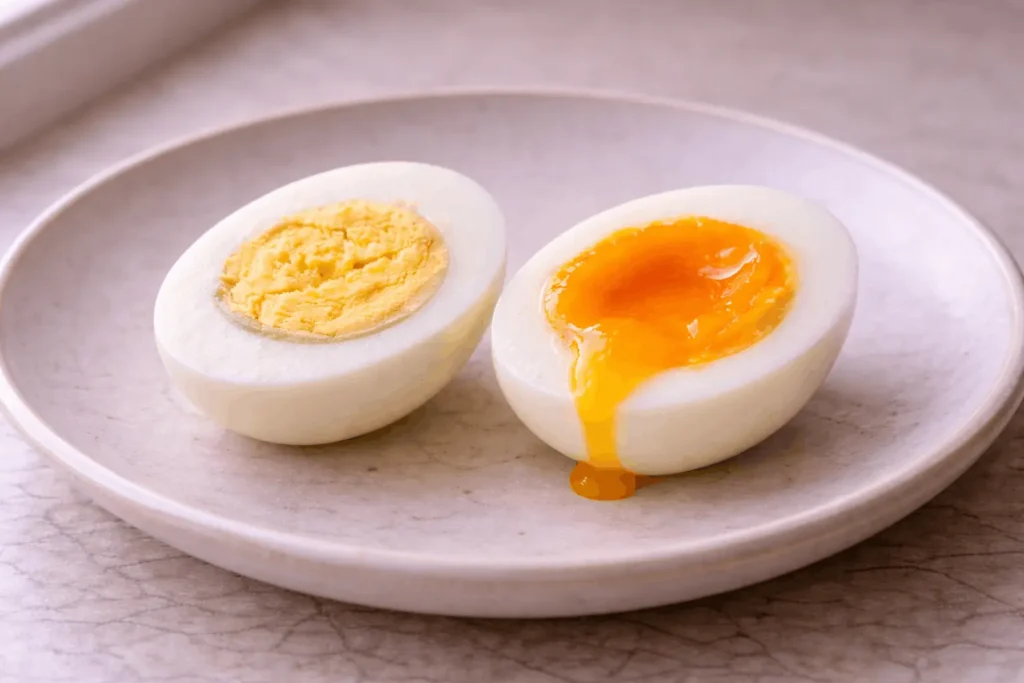
Your jammy egg is right if:
✔ The whites are fully opaque
✔ The yolk is glossy, not liquid
✔ The center holds its shape when sliced
If the yolk is liquid, cook a little longer next time.
If the yolk looks dry, reduce the cooking time.
Troubleshooting Jammy Eggs
| Result | Likely Cause | Fix | Next Time |
|---|---|---|---|
| Yolk too runny | Cooked too short | Add 30 sec | Start at 7 min |
| Yolk too firm | Cooked too long | Reduce time | Try 6½ min |
| Whites not set | Water not boiling | Use rolling boil | Pre boil water |
| Eggs cracked | Dropped too fast | Lower gently | Use spoon |
How to Peel Jammy Eggs Without Breaking Them
Jammy eggs are more delicate than hard boiled eggs.
To peel them:
- Crack the shell all over
- Peel in a bowl of water
- Start at the wide end
For a full guide, see how to peel hard-boiled eggs.
Serving Ideas for Jammy Eggs (Not Recipes)
Jammy eggs pair well with many foods:
- Toast with salt and pepper
- Mixed into salads
- Sliced over grain bowls
- Added to ramen or noodles
You don’t need a full recipe to enjoy them.
Can You Make Jammy Eggs Ahead of Time?
Yes, but they taste best fresh.
You can:
- Make them 1–2 days ahead
- Chill them fully before storing
The yolk may firm slightly over time.
How to Store Jammy Eggs Safely (Short Note)
- Store in the fridge
- Keep unpeeled if possible
- Use a sealed container
FAQ About Jammy Eggs
Are jammy eggs the same as soft boiled eggs?
No. Jammy eggs have a thicker, custardy yolk.
Read here about soft boiled eggs.
How long should I boil eggs for jammy yolks?
About 7 minutes for large eggs.
Why are my jammy eggs too runny?
They likely need a little more cooking time.
Can you store jammy eggs?
Yes, briefly, but they are best fresh.
Are jammy eggs safe to eat?
Yes, when cooked properly and stored in the fridge.
Conclusion: The EggPedia Expert Take
Making jammy eggs is not about secret tricks or complicated methods. It comes down to understanding doneness and controlling a few key factors: a steady boil, clear timing, and proper cooling. Egg size and starting temperature can affect the result, which is why small timing adjustments are normal and expected.
If your eggs are slightly too soft or too firm, it doesn’t mean the method failed. It simply means your kitchen needs a minor tweak. Once you find the timing that works for you, jammy eggs become easy to repeat.
Key takeaway: Jammy eggs depend on timing, not tricks. Use a timer, cool the eggs quickly, and judge doneness by texture—not the clock alone.