How to Peel Hard Boiled Eggs Easily
Peeling hard boiled eggs can be frustrating. The shell comes off in tiny shards, the egg white tears in chunks, and you end up wasting time and food, especially when you’re peeling a dozen for meal prep or deviled eggs. If this keeps happening, you’re not alone.
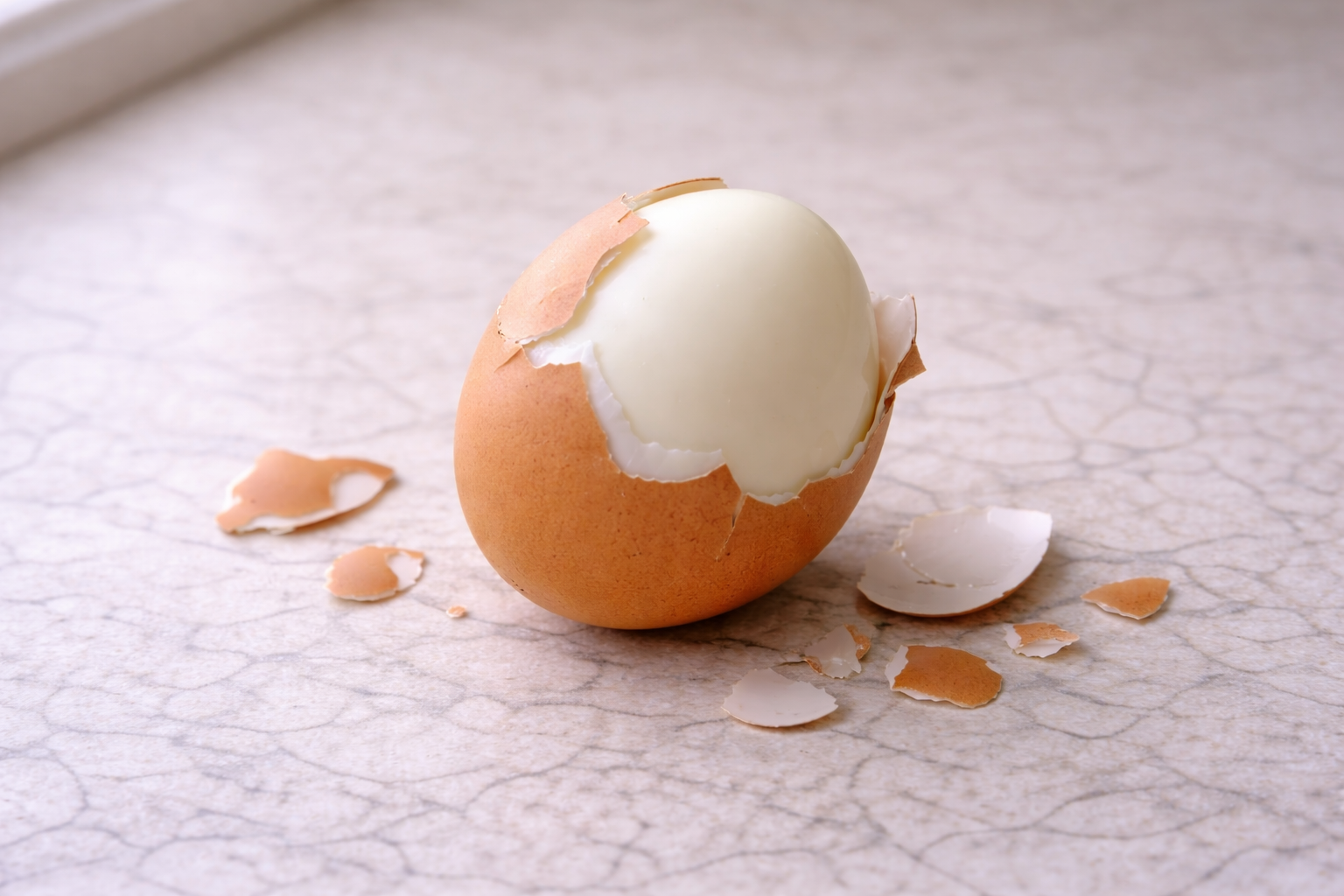
Peeling is tricky because there’s a thin membrane under the shell. When the egg white sticks to that membrane, the shell doesn’t release cleanly. The good news is you don’t need a “magic trick.” You need a repeatable method that helps water and air get between the shell and the membrane and a backup method when eggs are very fresh.
Quick Answer: The easiest way to peel hard boiled eggs
This method often gives a cleaner peel for most people:
- Cool the eggs, then peel them.
- Crack the shell all over.
- Soak the egg in cold water for a few minutes.
- Start peeling at the wide end (there is often an air pocket there).
- Peel in water (in a bowl) or under a thin stream of water.
Why it helps: water can make it easier to separate the shell and the membrane from the egg white.
Pick the best peeling method (30 second decision guide)
Use this quick guide:
- Best all around method: crack + soak + peel in a bowl of water
- Shell is stuck and you need help fast: peel under running water
- Need smooth eggs for deviled eggs: spoon method
- Peeling a dozen eggs: batch workflow or jar method
- Very fresh eggs (farm eggs): bowl of water + spoon method
- Want to save water and reduce mess: bowl of water peel (no running water needed)
Note
No trick works 100% of the time. Egg freshness and cooling make a big difference.
Before you peel (quick prep)
This is not a full guide on how to boil eggs, but one step matters:
- After cooking, cool the eggs fast (many people use an ice bath).
- Cooler eggs often peel cleaner.
- Then crack and peel using the methods below.
(For step by step cooking times, see how to make perfect hard-boiled eggs.)
Why hard boiled eggs stick to the shell (the real reason)
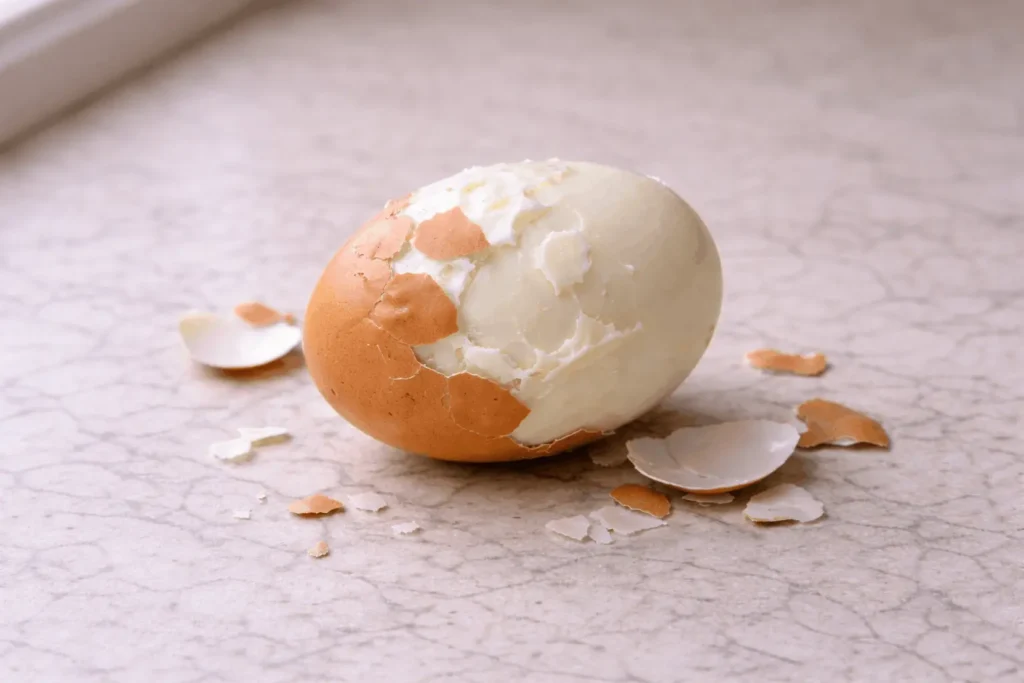
Under the shell is a thin layer called the membrane.
When the egg white sticks to the membrane, peeling becomes hard. The white tears and looks rough.
These things often make sticking worse:
- Very fresh eggs
- Weak cracking (only a few big cracks)
- Not enough cooling before peeling
Your goal is simple:
- Make lots of tiny cracks
- Let water get between shell and membrane
- Start at the wide end where the air pocket can give you a gap
Fresh eggs vs older eggs: what to do if yours are too fresh
Very fresh eggs often peel worse. That is normal.
If you can plan ahead
- Buy eggs a few days early.
- Slightly older eggs often peel easier than eggs that are very fresh.
If you only have fresh eggs (quick fix)
- Use the bowl of water method (Method 1).
- Use the spoon method for stuck spots.
- Peel slowly and gently.
Method 1: Crack + soak + peel in a bowl of water (best all around)
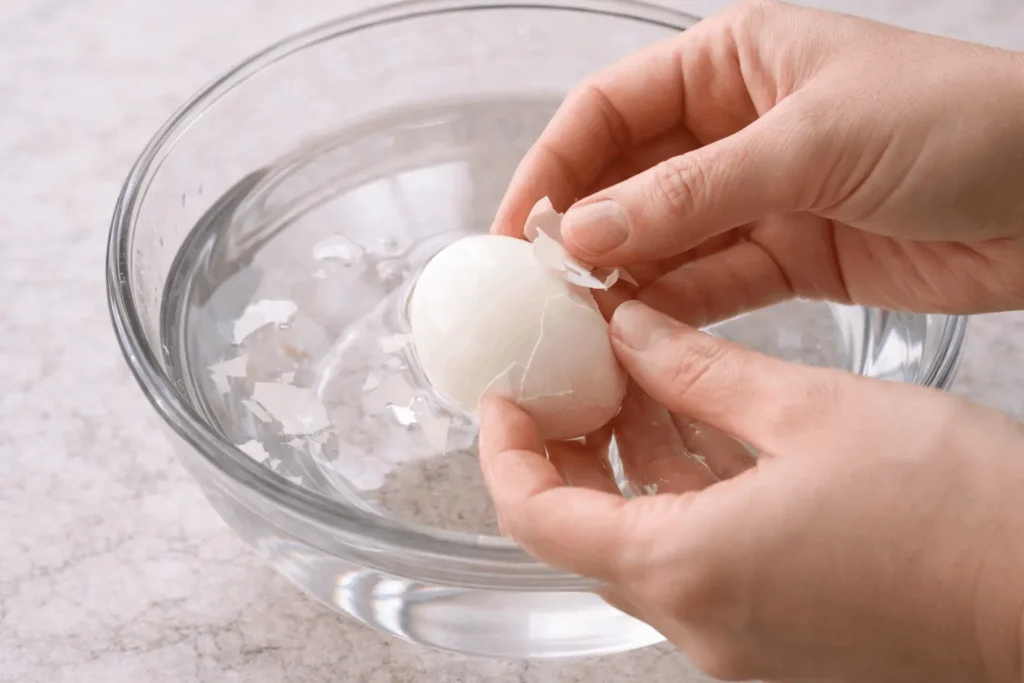
This is a reliable method for many people. It also saves water and reduces mess.
Steps
- Tap the egg on the counter.
- Tap the other end too.
- Roll the egg gently under your palm to create many small cracks.
- Put it in a bowl of cold water.
- Soak for a few minutes.
- Start peeling at the wide end.
- Peel the egg in the bowl so water can help loosen the membrane.
How to crack the shell the right way (the “crack pattern” that works)
Most people crack the egg once. That can make peeling harder.
Do this instead:
- Crack both ends
- Crack the middle
- Roll gently to make tiny cracks everywhere
Method 2: Peel under running water (fast fix for stubborn shells)
Running water can help because it:
- washes away shell bits
- can help loosen the membrane as you peel
Steps
- Crack the shell all over.
- Hold the egg under a thin stream of cool water.
- Start peeling at the wide end.
- Peel slowly.
Tip: Use a bowl or colander under your hands to catch shells.
Method 3: Spoon method (best for smooth deviled egg results)
This method is great when you want clean, smooth eggs.
Steps
- Crack the shell all over.
- Remove a small piece of shell at the wide end.
- Slide a spoon under the membrane.
- Move the spoon around the egg.
- Lift the shell away as you go.
Method 4: Jar method (fastest for peeling a dozen eggs)
This is a fast batch method. It can help for meal prep.
Steps
- Add 1–2 eggs to a jar.
- Add a little water.
- Close the lid tightly.
- Shake gently for a few seconds.
- Open, rinse, and peel.
Warning: Shake gently. Too much force can break the egg.
Peel timing: warm vs cold (what’s easier and why)
Both can work, but results can differ.
- Peeling warm: faster, but eggs can tear more
- Peeling cold: slower, but often cleaner
For many people, cooler eggs peel better, especially when you peel in water.
Troubleshooting: symptom → fix (sticking, tearing, shards, dents)
| Problem | Likely cause | Quick fix |
|---|---|---|
| Shell is glued on | Egg is very fresh or membrane is stuck | Peel in water + use spoon method |
| Egg white tears | Membrane breaks or cracks are uneven | Crack more evenly + peel slowly in water |
| Tiny shell shards stick | Not enough cracks | Roll to create more small cracks + rinse |
| Egg gets dents | Cracking too hard | Tap lightly + roll gently |
| Egg falls apart while peeling | Egg may be too soft | Chill longer and peel gently |
Peel a dozen eggs fast (batch workflow for meal prep)
- Crack all eggs first.
- Put them in a large bowl of cold water.
- Peel each egg in the water.
- Keep a “shell bowl” next to you.
- Rinse all peeled eggs at the end.
Best method for deviled eggs (smooth, clean finish)
Use this combo:
- Cool eggs fully
- Crack all over
- Peel in a bowl of water
- Use the spoon method for stubborn spots
For filling ideas and presentation tips, see how to make deviled eggs.
Want to save water and keep the sink clean? (low mess tip)
Peel in a bowl of water instead of running the tap.
It works well and helps keep shells out of the drain.
Do baking soda, vinegar, or salt help? (myth check)
Some people swear by these. Results vary.
- Salt: not reliable for peeling
- Baking soda: mixed results
- Vinegar: may help a little, but not guaranteed
In most cases, technique matters more than additives.
After you peel: quick storage tips (keep this short)
- Store peeled eggs in a sealed container in the fridge.
- Peeled eggs can dry out, so keep them covered.
- If you store peeled eggs in water, change the water daily.
Many sources suggest hard boiled eggs keep for up to about 1 week in the fridge. For full storage details, see how long do hard boiled eggs last.
FAQ
Do older eggs peel better than fresh eggs?
Often, yes. Very fresh eggs can stick more.
Should I peel eggs under running water?
It can help, especially for stubborn shells. A bowl of water can work too.
What is the best method for a smooth peel?
Use the spoon method and peel in water.
Should I peel warm eggs or cold eggs?
Cold eggs often peel cleaner. Warm eggs can tear more.
Why do I lose big chunks of egg white?
You may be breaking the membrane or cracking it unevenly. Crack all over and peel in water.
Conclusion: The EggPedia expert take
Peeling hard boiled eggs is mostly about the membrane, not the shell. If your eggs stick, it usually comes down to egg freshness, how well you crack the shell, and whether water can help loosen the membrane as you peel. That is why the simplest plan works so often: cool the eggs, crack the shell all over, start at the wide end, and peel in water. If you want a smooth finish, use the spoon method, and if you’re peeling a batch, use the bowl workflow or jar method. Results can vary from kitchen to kitchen, so if one method isn’t perfect, switch to another, your goal is a method you can repeat with less waste.
Key takeaway: Crack well, peel from the wide end, and use water to separate the membrane.