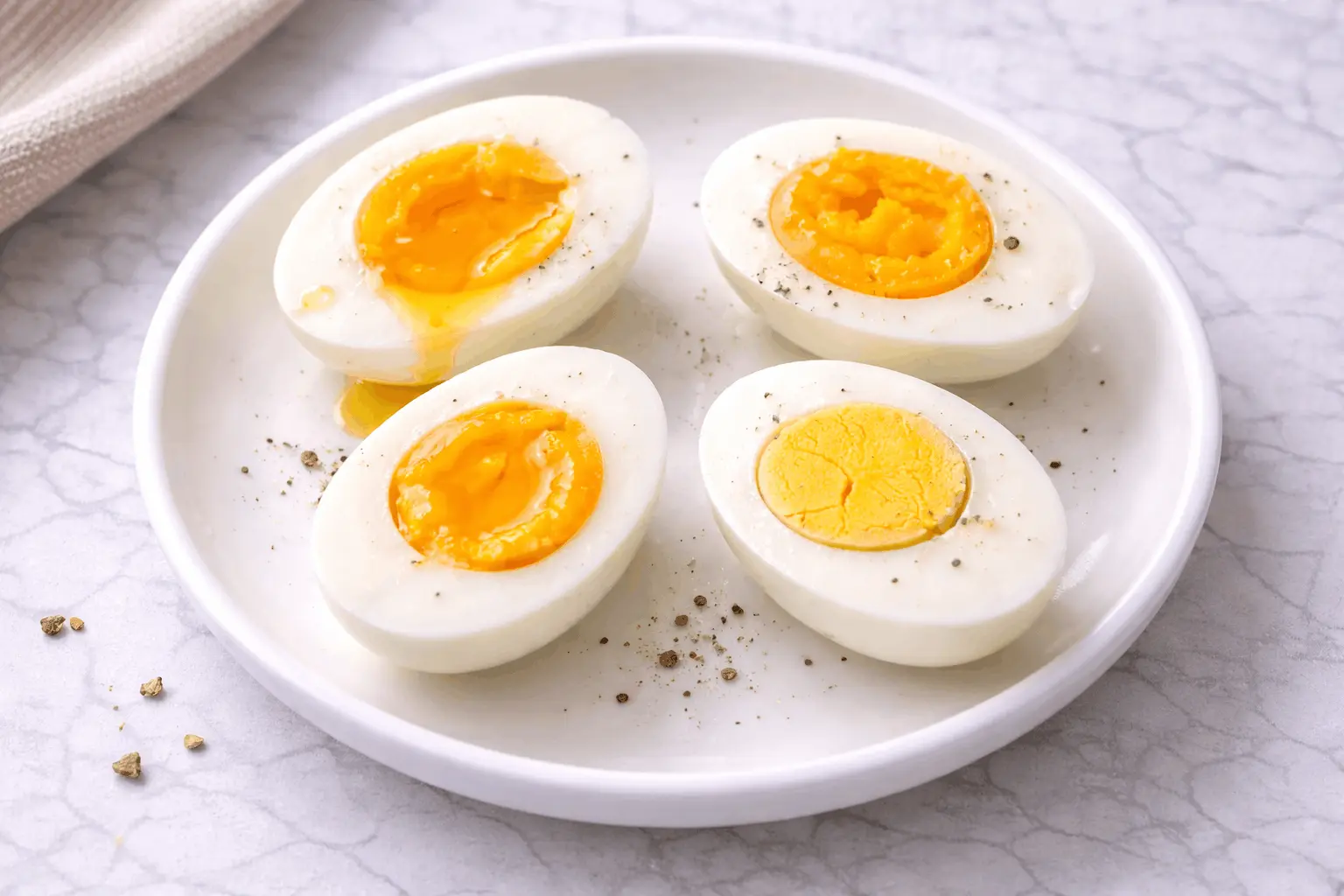
How to Boil Eggs Perfectly Every Time
Boiling eggs sounds simple, yet many people struggle to get consistent results. Sometimes the yolk turns out too runny. Other times it becomes dry and chalky. Shells crack during cooking, and peeling can feel frustrating. To make things worse, different websites often give different advice about timing, which leaves many home cooks unsure which method actually works.
The truth is that eggs are sensitive to small changes in time and heat. A difference of 30 to 60 seconds can completely change the texture of the yolk. Once you understand how to boil eggs with controlled heat and proper timing, the process becomes predictable. In this guide, you’ll learn how to boil eggs step by step and how long to boil eggs for soft, jammy, or fully firm centers—using methods that work in a regular home kitchen.
Quick Takeaways for Boiling Eggs
- Start timing after water returns to a gentle boil
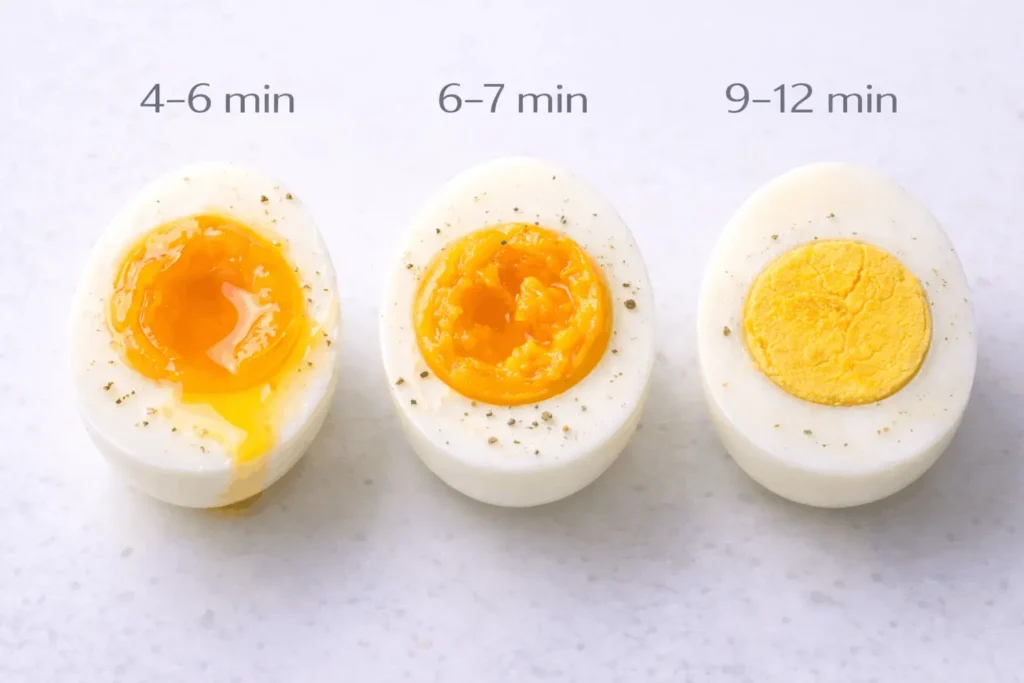
- 4–6 minutes = soft center
- 6–7 minutes = jammy center
- 9–12 minutes = fully hard
- Always use an ice bath to stop cooking
- Slightly older eggs peel more easily
This guide works for standard large chicken eggs cooked at sea level.
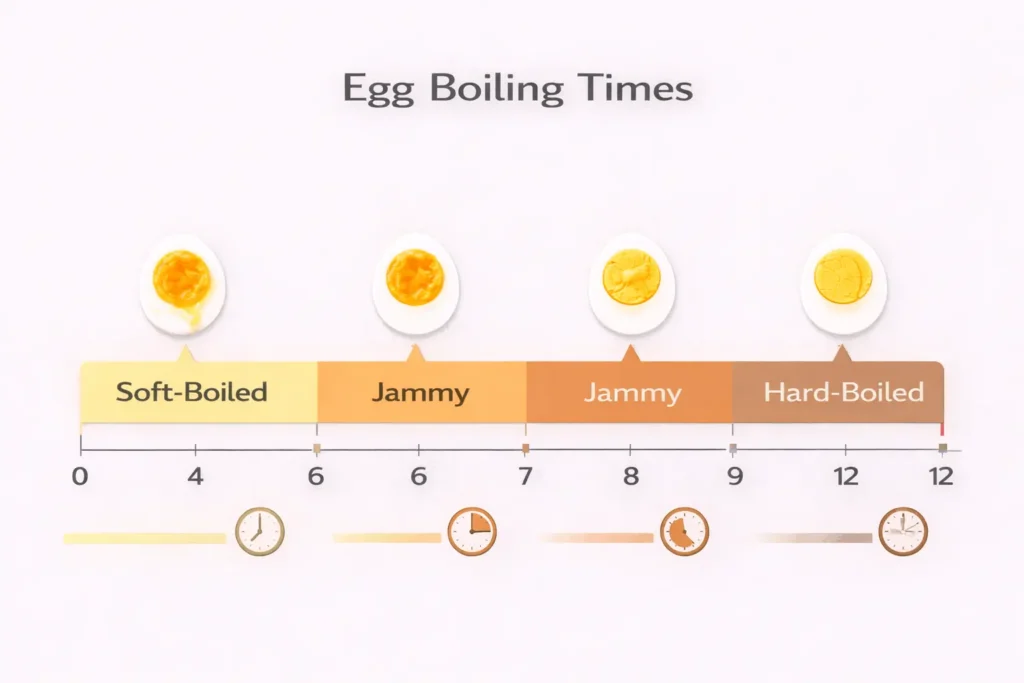
How Long to Boil Eggs (Timing Chart for Every Doneness Level)
If you only need the minutes, here is the clear answer.
| Doneness | Cook Time | Yolk Texture |
|---|---|---|
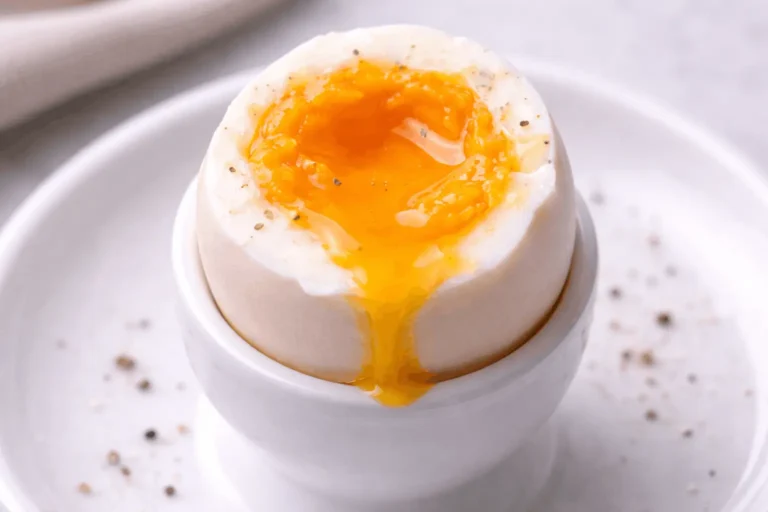
| Soft-boiled | 4–6 minutes | Runny center |
| Jammy | 6–7 minutes | Thick and custardy |
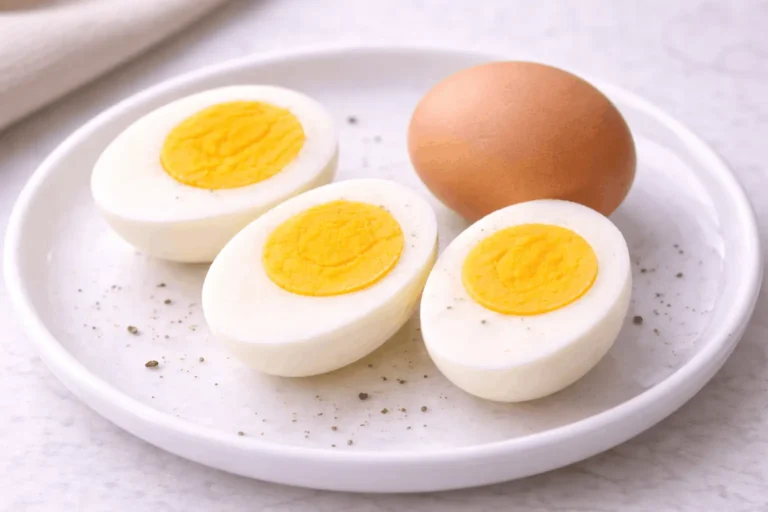
| Hard-boiled | 9–12 minutes | Fully firm |
Timing is the most important part of learning how long to boil eggs. Even a small difference can change the texture. Therefore, always use a timer.
If you want a detailed breakdown of custardy yolks, see our guide on jammy eggs and how to get the perfect jammy center.
Doneness Comparison Chart
| Type | White Texture | Yolk Texture | Best For |
|---|---|---|---|
| Soft | Fully set | Liquid center | Toast, egg cups |
| Jammy | Fully set | Thick and creamy | Ramen, bowls |
| Hard | Fully firm | Fully firm | Salads, meal prep |
Understanding texture helps you cook eggs exactly how you prefer.
Boiling Time Adjustments (Important Variables)
Small changes matter when learning how to boil eggs.
| Variable | Adjustment |
|---|---|
| Medium eggs | Reduce 30 seconds |
| Extra-large eggs | Add 30 seconds |
| Room-temperature eggs | Reduce 30 seconds |
| High altitude (3,000+ ft) | Add 30–90 seconds |
These small adjustments improve consistency.
How Long to Boil Eggs After the Water Starts Boiling
If you are using the boiling-water method:
- Lower eggs gently into boiling water.
- Wait for water to return to a gentle boil.
- Then start timing.
Use the timing chart above.
This method gives the most consistent results.
Two Ways to Boil Eggs
There are two reliable methods for how to boil eggs. Both work well, but each offers slightly different control.
Method 1: Start in Boiling Water (More Precise)
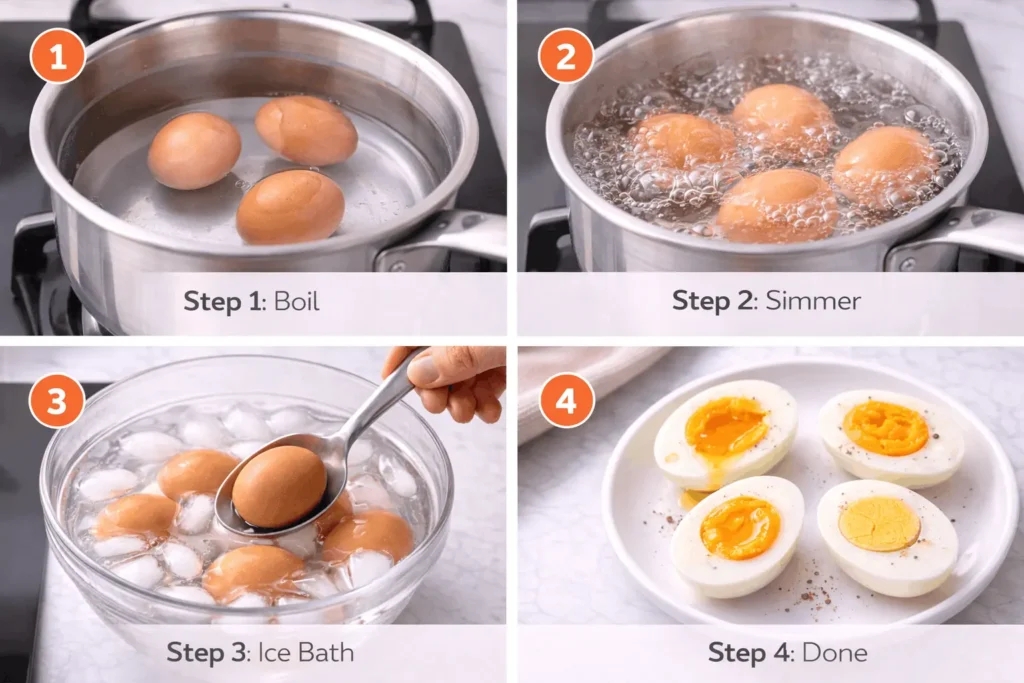
- Bring water to a gentle boil.
- Lower eggs carefully using a spoon.
- Wait for water to return to a gentle boil.
- Start your timer.
- Cook based on your preferred doneness.
- Transfer to an ice bath.
This method works especially well for soft-boiled eggs and jammy eggs.
Method 2: Start in Cold Water (More Forgiving)
- Place eggs in a single layer in a pot.
- Cover with cold water by about 1 inch.
- Bring to a boil.
- Turn off heat and cover.
- Let eggs sit:
- 4–6 minutes for soft
- 9–12 minutes for hard
- Transfer to an ice bath.
This method is commonly used for hard-boiled eggs, especially when preparing eggs for meal prep.
Boiling vs Steaming Eggs
Some cooks prefer steaming eggs.
Steaming may make peeling slightly easier. However, boiling works just as well when done correctly. If peeling is your main concern, review our guide on how to peel hard-boiled eggs easily.
Step-by-Step Guide to Boiling Eggs
Step 1: Choose the Right Pot
Use a pot large enough so eggs sit in a single layer.
Step 2: Add Enough Water
Water should cover eggs by about 1 inch.
Step 3: Control the Heat
Use a gentle boil with steady bubbles. Avoid a strong rolling boil.
Step 4: Start Timing Correctly
Begin timing after the water returns to a gentle boil.
Step 5: Use an Ice Bath
Cool for 5 minutes (soft/jammy) or 10 minutes (hard).
Step 6: Peel or Store
Peel under running water, starting at the wide end.
Yolk Texture Explained
- Soft: The yolk flows when cut
- Jammy: Thick but not liquid
- Hard: Fully firm
If your eggs are too runny, add 30 seconds next time.
If they are too dry, reduce cooking time slightly.
Learning how long to boil eggs is often about small corrections.
Why Timing Matters (The Science Behind Boiling Eggs)
Egg whites begin to coagulate around 144°F (62°C) and fully firm closer to 175–180°F.
Yolks begin thickening around 149–158°F and fully firm near 170°F.
Because boiling water reaches 212°F at sea level, timing controls the final texture.
If eggs cook too long, sulfur in the white reacts with iron in the yolk.
Green Ring Around the Yolk: Is It Safe?
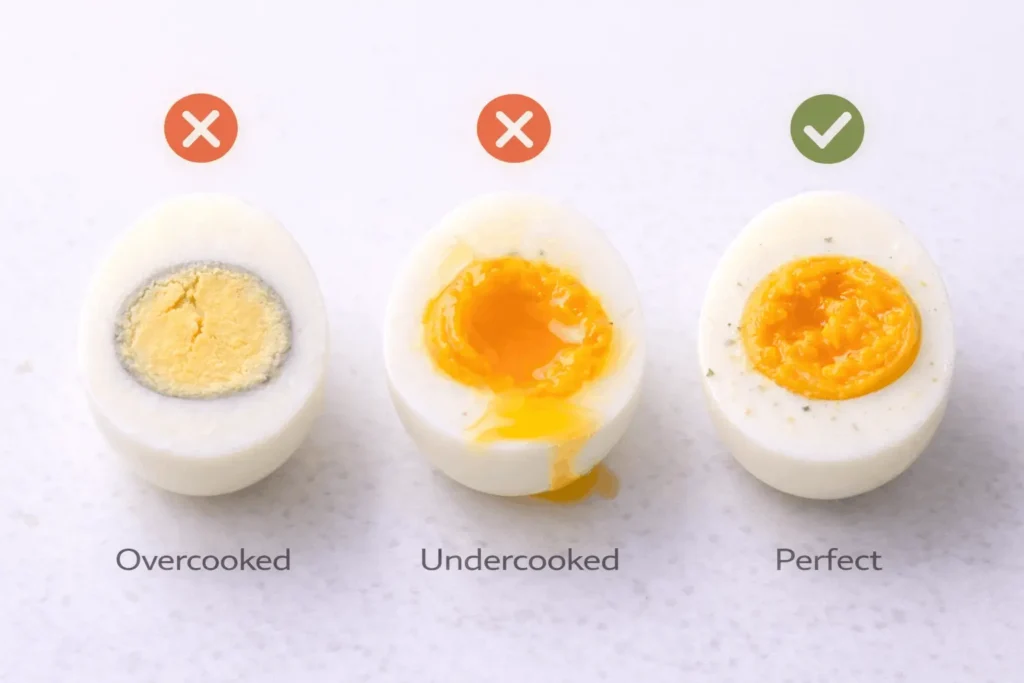
A green-gray ring may appear around hard-boiled egg yolks if they are overcooked.
This does not mean the egg is unsafe. It simply indicates overcooking. Cooling eggs quickly in an ice bath helps prevent this.
Common Problems and How to Fix Them
| Problem | Cause | Fix |
|---|---|---|
| Eggs cracked | Boil too strong | Lower heat |
| Yolks too runny | Not enough time | Add 30 seconds |
| Yolks dry | Overcooked | Reduce 1 minute |
| Hard to peel | Very fresh eggs | Use slightly older eggs |
| Whites rubbery | Excess heat | Shorten cooking time |
How Many Eggs Can You Boil at Once?
You can boil several eggs at once for meal prep.
Keep them in a single layer and fully submerged. Avoid overcrowding.
How to Store Boiled Eggs Safely
Store boiled eggs in the refrigerator.
- Unpeeled eggs last up to 1 week
- Peeled eggs last 3–4 days
Frequently Asked Questions
Do you put eggs in cold water or boiling water?
Both methods work. Starting in boiling water gives more precise timing, especially for soft or jammy eggs. Starting in cold water is more forgiving and often used for hard-boiled eggs. The key is consistent timing and controlled heat.
How long should eggs sit in an ice bath?
Soft or jammy eggs should cool for at least 5 minutes. Hard-boiled eggs benefit from 10 minutes in an ice bath. Cooling quickly stops carryover cooking and helps prevent overcooked yolks.
Why did my eggs crack while boiling?
Eggs usually crack because the boil is too strong or they were lowered too quickly into the water. Use a gentle boil and place eggs in the pot carefully with a spoon. Avoid overcrowding the pot.
Why is there a green ring around the yolk?
A green-gray ring forms when eggs are overcooked. It happens due to a reaction between sulfur in the egg white and iron in the yolk. The egg is still safe to eat, but cooling the eggs quickly in ice water helps prevent this.
Can you overboil eggs?
Yes. Overboiling causes dry, chalky yolks and rubbery whites. To avoid this, use a timer and remove eggs from heat as soon as they reach your desired doneness.
How long do boiled eggs last in the fridge?
Unpeeled hard-boiled eggs last up to one week in the refrigerator. Peeled eggs typically last 3–4 days when stored in an airtight container.
Final Thoughts
Boiling eggs does not require complicated techniques. It requires controlled heat, accurate timing, and small adjustments.
When you use a timer and avoid aggressive boiling, you remove most of the guesswork. Cooling eggs quickly prevents overcooking and protects the texture.
Once you understand how to boil eggs and how long to boil eggs for your preferred doneness, the process becomes simple and repeatable.
Precision, not guesswork, is what leads to consistent results in the kitchen.