Are Eggs Good for You? Benefits, Risks, and the EggPedia Verdict
Eggs are one of the most confusing “healthy foods” online. One day you hear eggs are a perfect breakfast. The next day you hear the yolk is “bad” because of cholesterol. Some people say eat eggs every day, while others say avoid them. If you have high cholesterol, diabetes, or a family history of heart disease, this back-and-forth can feel stressful.
A lot of articles also skip the practical details. They don’t explain what “healthy” means for your goals, and they ignore how much the full meal matters. Eggs with vegetables and whole grains is not the same as eggs with bacon, butter, and lots of cheese every day. This guide keeps things simple and honest, so you can decide if eggs make sense for you and how to eat them in a healthier way.
Quick Answer
Eggs are good for you for most healthy people. They provide protein, choline, and other helpful nutrients. Many healthy adults can include eggs regularly. Some people include eggs daily, but needs vary.
If you have high LDL cholesterol, heart disease risk, or diabetes, you may need to limit how often you eat whole eggs (especially yolks). In that case, egg whites or fewer yolks may be a better choice.
The EggPedia Verdict
Eggs are good for you if…
- You want a filling, high-protein food.
- You want a simple, nutrient-dense breakfast.
- You eat eggs as part of a balanced diet.
- You keep “extras” like bacon, butter, and lots of cheese in check.
Be cautious with eggs if…
- You have high LDL cholesterol.
- You have heart disease or a strong family history.
- You have diabetes or prediabetes.
- Your clinician told you to limit dietary cholesterol.
What Does “Good for You” Actually Mean?
“Healthy” can mean different things. In this guide, “good for you” means:
- It gives a lot of nutrition for the calories.
- It helps you feel full.
- It supports goals like weight loss or muscle building.
- It fits your health needs and your lab results (like LDL cholesterol).
Eggs often match these points. Still, your overall diet matters most.
Egg Nutrition at a Glance
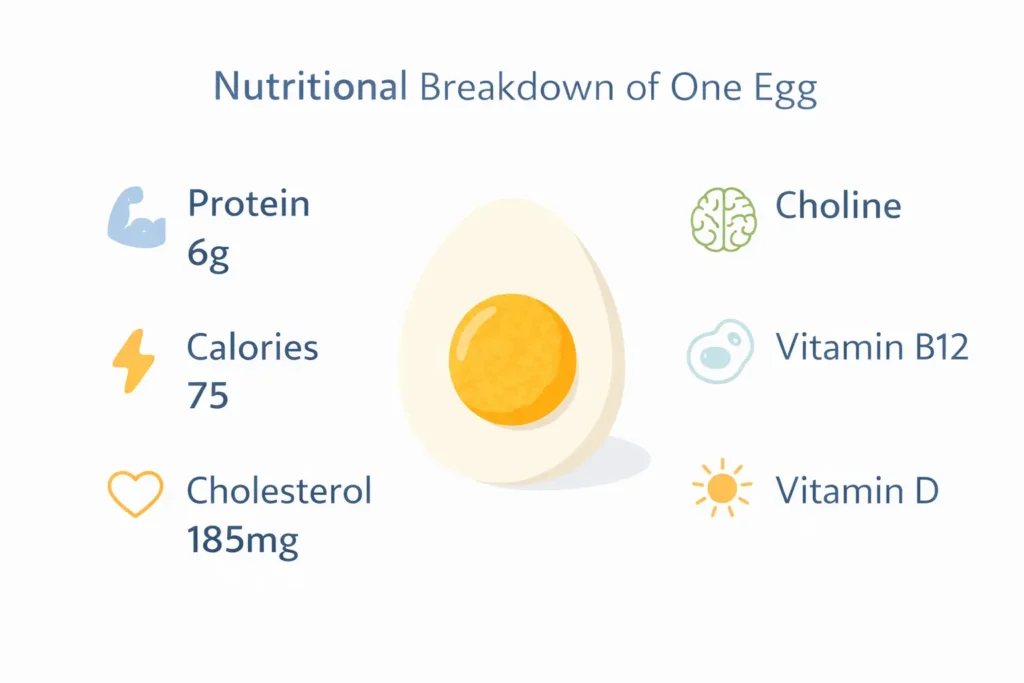
Here is the simple picture for one large egg (values vary by egg size):
- Calories: about 70–80
- Protein: about 6 grams
- Fat: about 5 grams
- Carbs: 0 grams
- Sugar: 0 grams
- Cholesterol: about 185–210 mg (mostly in the yolk)
- Sodium: about 70 mg
- Potassium: about 67 mg
Eggs also contain nutrients like choline, vitamin B12, vitamin D, selenium, and eye-supporting antioxidants.
Why Eggs Are Considered Healthy
High-quality protein and satiety
Eggs contain complete protein. That means they provide all essential amino acids. Protein can also help you feel full. This can help you snack less later.
Choline for brain function
Eggs are one of the best food sources of choline. Choline supports your brain and nervous system. It is also important during pregnancy.
Lutein and zeaxanthin for eye health
Egg yolks contain lutein and zeaxanthin. These antioxidants support eye health.
Vitamin B12 and selenium support
Eggs contain vitamin B12, which supports nerves and red blood cells. Eggs also contain selenium, which supports antioxidant defenses and immune health.
Eggs and Cholesterol (Short Version)
Egg yolks contain dietary cholesterol. For many people, dietary cholesterol has a smaller effect on blood cholesterol than once believed. Still, some people respond more strongly.
Also, your overall meal matters. A breakfast heavy in butter, processed meats, or refined carbs can be less heart-friendly than eggs paired with veggies and fiber.
If you want the full breakdown, read: Are eggs good for cholesterol?
Eggs vs Common Breakfast Foods (Quick Comparison)
Many people want a simple comparison. Here is the basic idea: eggs are often a more filling base than sugary breakfast foods because they provide protein.
For example, eggs may be a better base than:
- Sugary cereal
- Pastries and donuts
- A bagel with cream cheese
- Fast-food breakfast sandwiches
That said, toppings and sides still matter. If you add bacon, lots of cheese, and butter, the meal changes a lot.
The “Extras” Matter More Than the Eggs
Eggs are not usually the main issue. The “extras” often are.
Watch out for:
- Bacon or sausage every day
- Lots of butter
- Heavy cheese
- Fried eggs in a lot of oil
- White toast and sugary drinks
Instead, try:
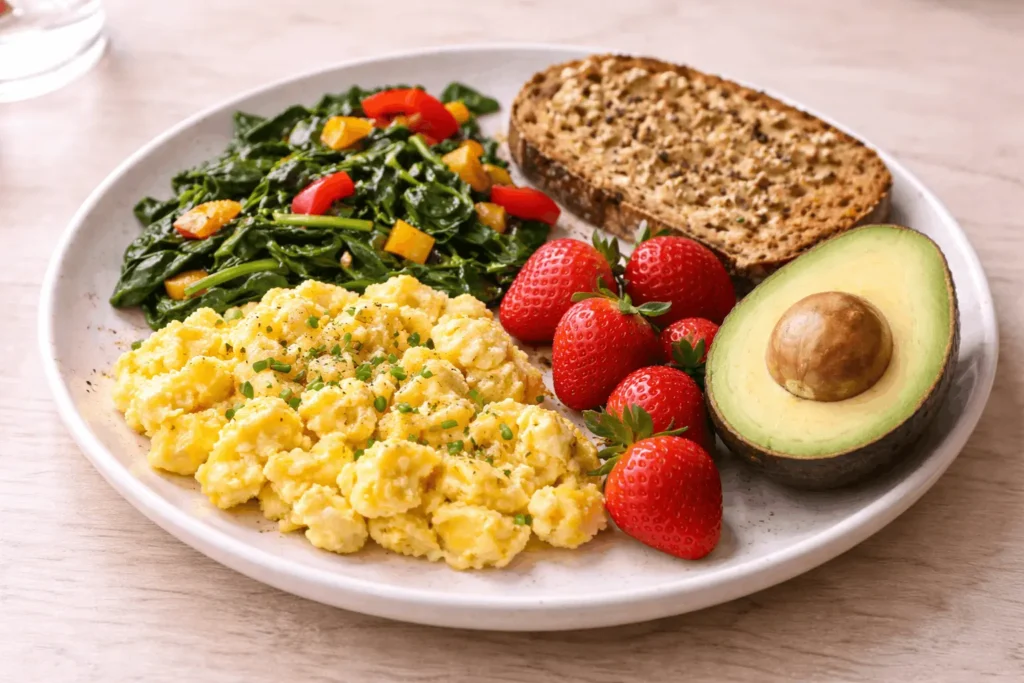
- Veggies (spinach, peppers, onions)
- Fruit on the side
- Whole grains (oatmeal, whole-grain toast)
- Healthy fats (avocado, olive oil)
Want practical meal examples? Read: How many eggs can you eat a day?
Healthiest Ways to Eat Eggs (Ranked)
Here are common methods, from best to less ideal:
- Boiled eggs (hard or soft)
- Poached eggs
- Scrambled eggs with minimal oil
- Omelet loaded with veggies
- Fried eggs in lots of butter or served with processed meats
You may also like:
- Scrambled eggs without milk
- How to cook eggs in the microwave
- How to make jammy eggs
Whole Eggs vs Egg Whites (30-Second Guide)
Both can be healthy. They are just different.
Choose whole eggs if you want:
- More vitamins and minerals
- Choline
- Eye-supporting antioxidants
Choose egg whites if you want:
- More protein with fewer calories
- Little to no cholesterol
A smart middle option is:
- 1 whole egg + 2 egg whites
If you want more detail, see our guide on whole eggs vs egg whites (coming soon).
Eggs for Common Goals (Pick Your Path)
Different people search this topic for different reasons. Use the section that fits you.
If your goal is weight loss
Eggs can help because they are high in protein and keep you full. The best results come from the full meal. Pair eggs with fiber (veggies, fruit, whole grains).
Read next: Are eggs good for weight loss?
If your goal is building muscle
Eggs are an easy way to add complete protein. Many people use eggs for breakfast or meal prep. You can also mix whole eggs and whites to raise protein without adding many calories.
If you eat low-carb or keto
Eggs have 0 carbs and 0 sugar. This is why they are popular for low-carb diets. Still, watch the “extras,” because processed meats and lots of butter can add a lot of saturated fat.
If you’re worried about cholesterol or heart health
Some people are more sensitive to dietary cholesterol. If you have high LDL, heart disease risk, or diabetes, you may need a personal plan. Many people do well by eating fewer yolks and using more egg whites.
If you’re buying eggs for your family
Eggs can be a simple, nutrient-rich food. For kids, the main focus is safe cooking and balanced meals. If allergies are a concern, talk to a clinician
Who Should Be More Cautious With Eggs?
Eggs can still fit into many diets. But some people should be more careful with whole eggs (yolks):
- People with high LDL cholesterol
- People with heart disease risk
- People with diabetes or prediabetes
- People told by a clinician to limit dietary cholesterol
In these cases, you may do better with fewer yolks, more whites, and a plant-forward diet.
Quick Safety Notes
Eggs are safe when handled well. Food safety still matters.
- Keep eggs refrigerated.
- Cook eggs until the whites are set and the yolk is cooked to your preference.
- If you are in a higher-risk group, choose fully cooked eggs or pasteurized eggs.
- Avoid raw eggs unless they are pasteurized.
- If an egg smells bad after cracking, throw it out.
FAQs About Eggs and Health
Are eggs healthy every day?
For many healthy adults, eggs can fit into a healthy diet. But daily whole eggs may not be right for everyone.
Are eggs bad for you?
Eggs are not “bad” for most people. Problems often come from the full diet pattern and high saturated fat meals.
Are eggs good for weight loss?
Eggs can support weight loss because they are high in protein and help you feel full.
Are eggs anti-inflammatory?
Eggs contain nutrients that can support health. Inflammation depends on your overall diet and lifestyle. Read: Are eggs anti-inflammatory?
Do eggs have carbs or sugar?
Eggs have 0 carbs and 0 sugar.
Are eggs gluten-free?
Yes. Plain eggs are naturally gluten-free.
Are brown eggs healthier than white eggs?
No. Shell color does not decide nutrition. It mostly depends on the chicken breed. Read: Brown eggs vs white eggs.
Are eggs safe during pregnancy?
Many pregnant people can eat eggs. They should be fully cooked to reduce food safety risk. If unsure, check with your clinician.
Bottom Line
Eggs can be a smart part of a healthy diet for many people. They offer high-quality protein and key nutrients, and they can fit into a balanced eating pattern. Still, your overall diet matters more than one food, and the way you cook eggs and what you eat with them can change the health impact of the meal. If you have high LDL cholesterol, heart disease risk, diabetes, or you’ve been advised to limit dietary cholesterol, it’s reasonable to be more cautious with yolks and focus on a heart-healthy diet pattern; if you’re unsure, reviewing your labs with a clinician is the safest step. At TheEggPedia, our goal is to share clear, practical egg guidance you can trust—so if you want deeper help, check our guides on how many eggs you can eat a day, eggs and cholesterol, weight loss, and egg storage and safety.


