Are Eggs High in Cholesterol? A Simple, Science-Based Explanation
Eggs are one of the most confusing “healthy foods” online. One day you hear eggs are a perfect breakfast. The next day you hear the yolk is “bad” because of cholesterol. Some people say eat eggs every day, while others say avoid them. If you’re just trying to eat better, this back-and-forth can feel frustrating.
A lot of articles skip the practical details. They don’t explain the difference between cholesterol in food and cholesterol in your body. They also ignore how much the full meal matters. Eggs with vegetables and whole grains is not the same as eggs with bacon, butter, and lots of cheese every day. This guide keeps it simple and balanced, so you can make smarter choices without fear or confusion.
Key Takeaways
Eggs are high in dietary cholesterol, mostly in the yolk.
For many people, saturated fat and the full meal matter more than the egg itself.
Some people respond more to dietary cholesterol, so results can vary.
If you’re trying to lower LDL, focus on cooking method, side foods, and fiber.
Quick Answer
Yes, eggs are high in dietary cholesterol, mostly in the yolk. But for many people, eggs are not the biggest driver of higher LDL. Saturated fat, trans fat, and the foods eaten with eggs often matter more.
Here’s a simple decision guide:
- If your cholesterol levels are in a healthy range: eggs often fit in a balanced diet.
- If your LDL is high or you’re trying to lower cholesterol: it may help to be more cautious with yolks and focus on the full meal.
- If you have diabetes or prediabetes: it may be smart to personalize your choices.
Want clear limits and examples? Read: How many eggs can you eat a day
Are Eggs High in Cholesterol?
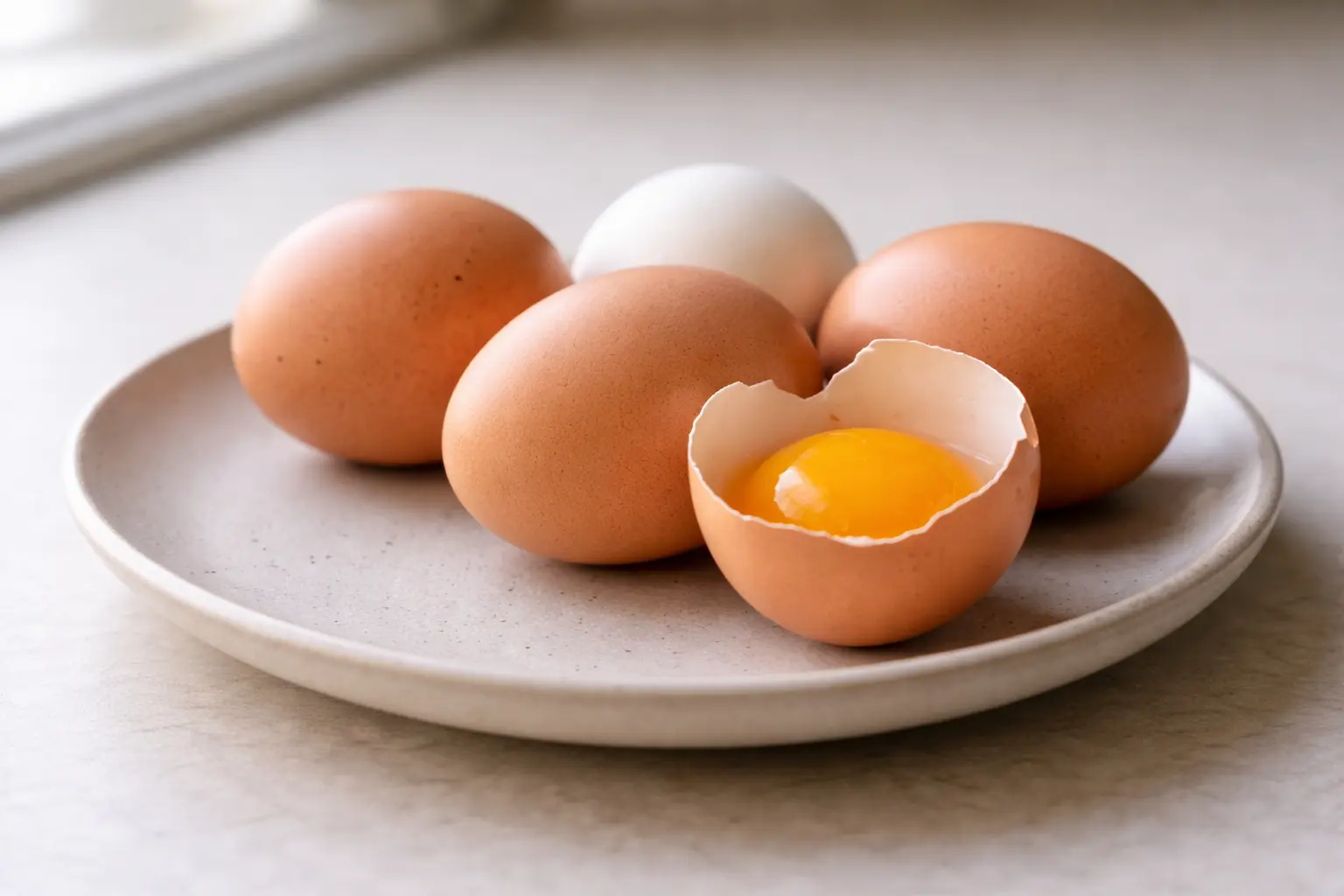
Yes. Eggs naturally contain dietary cholesterol.
How Much Cholesterol Is in One Egg?
A large egg has about 186 mg of cholesterol. The exact number can vary a little by size.
Where Is the Cholesterol (Mostly in the Yolk)?
Most of the cholesterol is in the yolk. Egg whites have no cholesterol.
Quick myth check:
High dietary cholesterol in a food does not automatically mean it will raise your blood cholesterol a lot. The next section explains why.
Do Eggs Raise Blood Cholesterol?
This is the main question. “Cholesterol in food” is not the same as “cholesterol in your blood.”
Dietary Cholesterol vs Blood Cholesterol (Simple Explanation)
Dietary cholesterol is what you eat in foods like egg yolks.
Blood cholesterol is what shows up on your lab tests, like LDL and HDL.
Your body also makes cholesterol. For many people, eating dietary cholesterol does not change blood cholesterol very much. But responses can vary.
Why Saturated Fat Often Matters More Than Egg Cholesterol
Many reputable health sources explain that saturated fat and trans fat often have a stronger effect on LDL than dietary cholesterol does. That’s why the “extras” can matter more than the egg.
Common examples that can add a lot of saturated fat:
- butter
- fatty meats
- processed meats (like bacon and sausage)
- many fried foods and packaged baked goods
Why Eggs Affect People Differently
You can find different advice online because people can respond differently.
Some People Respond More (Individual Variability)
Some people may be more sensitive to dietary cholesterol than others. Genetics and overall diet can play a role. This is one reason why one person may see changes in LDL while another may not.
What You Eat With Eggs Matters (The Meal Effect)
Eggs are often eaten with foods that can be harder on cholesterol:
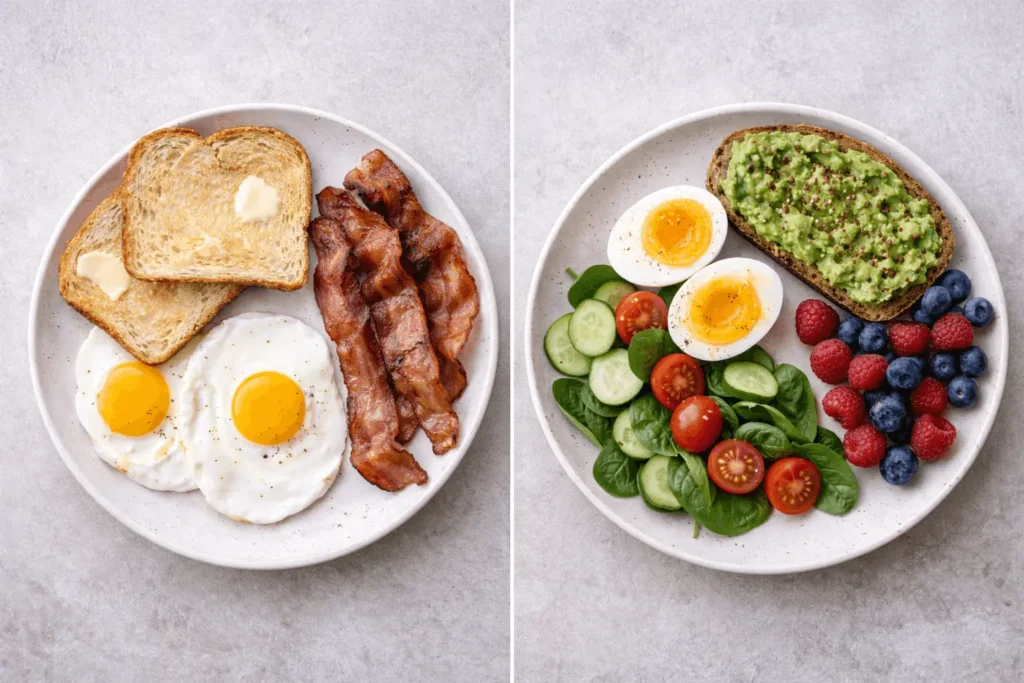
- eggs + bacon or sausage
- eggs + butter
- eggs + heavy cheese
Refined carbs can also show up in “classic” egg breakfasts:
- white toast
- pastries
- hash browns
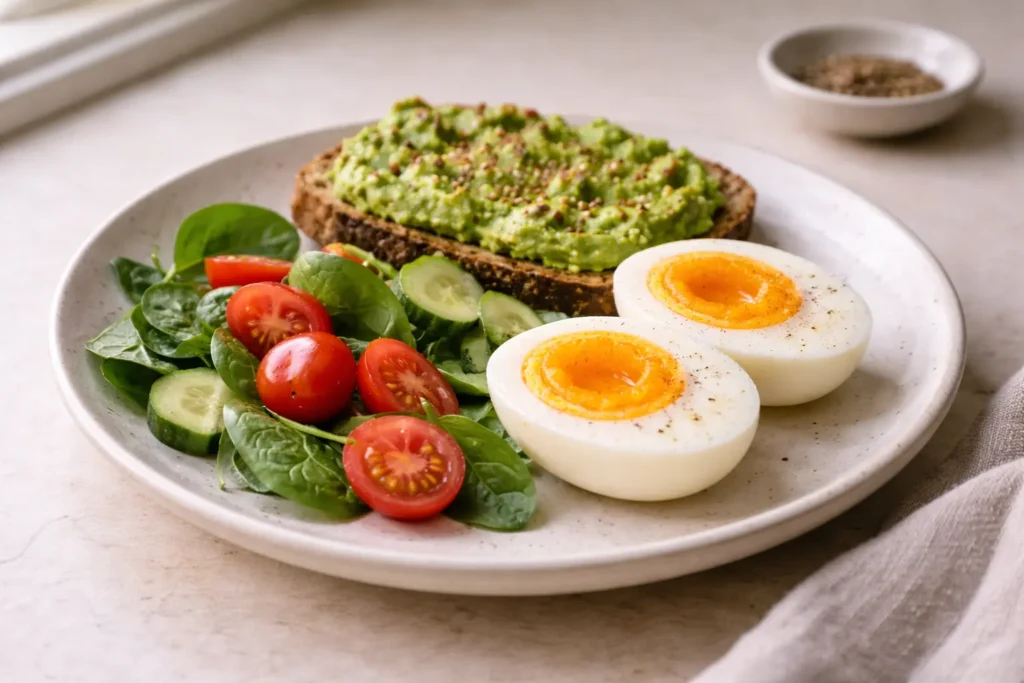
A more balanced egg meal often includes:
- vegetables
- fruit
- whole grains or other high-fiber foods
What Matters More Than Eggs
If you want better cholesterol numbers, it usually helps to focus on the biggest drivers first.
The Biggest Drivers of Higher LDL (Ranked)
- Trans fats (best to avoid)
- High saturated fat intake
- Processed meats (bacon, sausage, ham)
- Low-fiber eating patterns (too few fruits, vegetables, beans, whole grains)
- Overall diet pattern and weight changes
For many people, eggs are not the biggest issue. The full pattern around them matters more.
If Your Cholesterol Is High: A Practical Egg Game Plan
You don’t need to be perfect. You need a plan that is realistic.
The Best Ways to Cook Eggs for Heart-Friendly Meals
These options often use less added fat:
- boiled eggs
- poached eggs
- scrambled eggs with a small amount of oil
- veggie omelets
Try to limit (especially if done often):
- eggs fried in a lot of butter
- eggs paired with processed meats most days
The Egg Meal Builder (Eggs + Fiber + Healthy Fat)
Use this simple formula:
Eggs + fiber + healthy fat
Examples:
- eggs + spinach + fruit
- eggs + tomatoes + whole-grain toast
- eggs + veggies + beans on the side
- eggs + avocado + a high-fiber side
A helpful swap is to use unsaturated fats (like olive oil) more often than butter.
The Bacon Effect (Why Side Foods Can Be the Bigger Problem)
Eggs often get blamed. But for many people, the “egg breakfast” pattern is the bigger issue.
If your meal often includes bacon, sausage, butter, or lots of cheese, it can add a lot of saturated fat. A small change can make the meal feel lighter:
- swap processed meats for vegetables
- swap butter for olive oil
- add a high-fiber side like fruit, oats, or beans
Eggs and Diabetes or Prediabetes
If you have diabetes or prediabetes, it may be smart to be extra thoughtful. Some research in this area is mixed, and overall diet quality matters a lot.
What We Know
Eggs can fit into many eating patterns. People often do best when the rest of the diet is strong. That means more fiber and fewer highly processed foods.
Why It’s Smart to Personalize
If you have diabetes or prediabetes and you eat eggs often, you may want to keep an eye on how your overall diet is going and how your numbers look over time. If you want personal guidance, a qualified professional can help.
When to Check With a Clinician
If you feel unsure, your lab results can give you a clearer picture than online opinions.
Lab Markers to Ask About (LDL, HDL, non-HDL)
You may hear these terms:
- LDL cholesterol
- HDL cholesterol
- non-HDL cholesterol
A clinician can explain what they mean for you.
When Eggs May Need Extra Caution
It may help to be more cautious with yolks if:
- your LDL is high
- you have higher heart risk
- you have diabetes or prediabetes
- you’ve been told to limit dietary cholesterol
For limits and examples, see: How many eggs can you eat a day
FAQs About Eggs and Cholesterol
Are egg yolks bad for cholesterol?
Egg yolks are high in dietary cholesterol. For many people, yolks may not change blood cholesterol a lot on their own. But if you are trying to lower LDL, it may help to limit yolks and focus on the full diet.
Do eggs raise LDL or HDL?
It depends. Some people may see changes. Many people do best by focusing on saturated fat, trans fat, fiber, and overall diet pattern.
Are eggs okay on a cholesterol-lowering diet?
Often, yes. Many people improve cholesterol by eating more fiber and using healthier fats while cutting back on processed foods and saturated fat.
How much cholesterol is in an egg?
A large egg has about 186 mg of cholesterol, mostly in the yolk.
Are eggs high in saturated fat?
Eggs contain some saturated fat, but foods like bacon, sausage, butter, and many baked goods can be much higher.
Are eggs okay if I have diabetes?
Guidance can vary. If you have diabetes, it may be smart to focus on overall diet quality and personalize based on your situation.
Informational note: This article is for general information only and is not medical advice.
Sources & Further Reading
- Mayo Clinic (eggs and cholesterol)
- Harvard Health (eggs and heart health)
- Heart Foundation (eggs and cholesterol guidance)
- St. Vincent’s Health (eggs and high cholesterol overview)
- EatingWell (dietitian-led overview on eggs and cholesterol)
Bottom Line
Eggs are high in dietary cholesterol, mostly in the yolk. But for many people, eggs are not the biggest driver of high LDL. Saturated fat, trans fat, low-fiber eating patterns, and processed “extras” often matter more. If you are trying to improve cholesterol, start by improving the full egg meal. Use lighter cooking methods, add fiber-rich foods, and limit processed meats more often than not.
For the broader view of eggs in a healthy diet, read:
Are eggs good for you? Benefits, risks, and the EggPedia verdict
And if you want limits and examples, see:
How many eggs can you eat a day


