
Are Eggs Good for Weight Loss?
Trying to lose weight can make everyday food choices feel confusing. Eggs are a perfect example. Some people praise them as a great protein for weight loss. Others worry about fat, cholesterol, or whether eggs slow progress. If you are trying to eat better without extreme diets, it is normal to wonder if eggs are helping or hurting your results.
Eggs are affordable, filling, and easy to prepare, which is why many people use them during weight loss. Still, weight loss is not about one food alone. In this guide, you will learn how eggs can fit into a calorie controlled eating pattern, what research suggests, and when eggs may not be the best choice for you.
✅ Key Takeaways
- Eggs can support weight loss because they are filling and protein rich.
- Eggs do not burn fat or guarantee results.
- How eggs are cooked and what foods they replace matter most.
- Eggs do not target belly fat. Fat loss happens across the body.
Quick Answer: Do Eggs Help With Weight Loss?
Yes. Eggs can support weight loss because they are high in protein, relatively low in calories, and very filling.
However, eggs do not cause weight loss on their own. Weight loss still depends on your overall calorie intake, food choices, and habits over time.
How Weight Loss Actually Works
Understanding how weight loss works helps put eggs into the right context.
Why Calorie Deficit Matters More Than Any Single Food
Weight loss happens when you consistently burn more calories than you eat. This is known as a calorie deficit. Eggs can help only if they fit into that overall pattern.
No single food causes weight loss on its own. Eggs often help because they replace less filling or more calorie dense foods.
How Protein Affects Hunger and Fullness
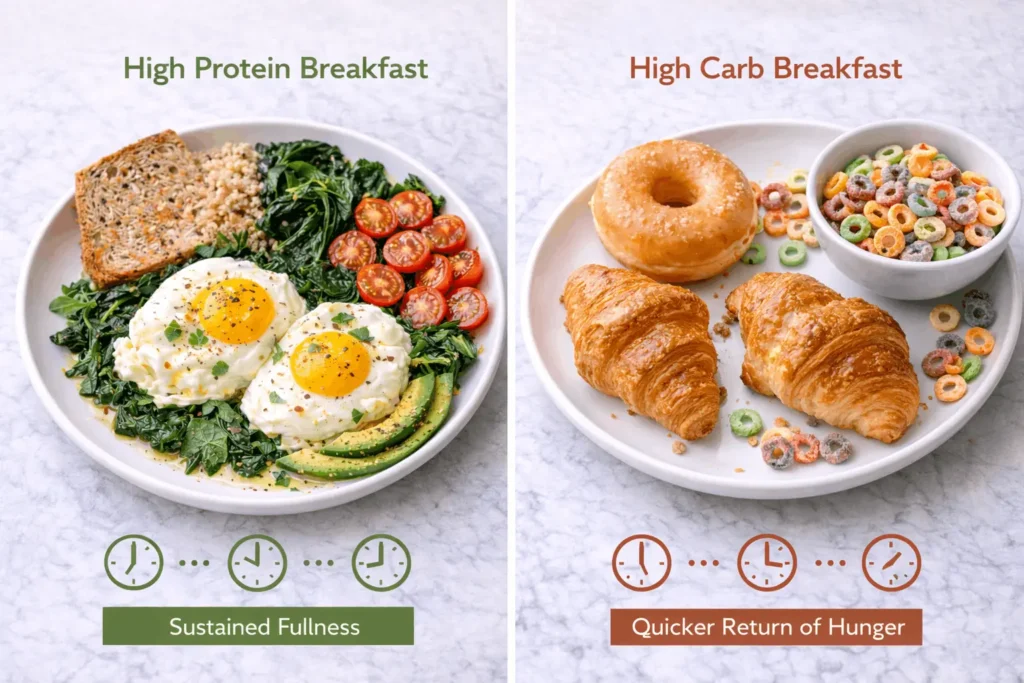
Protein digests more slowly than carbohydrates. Because of this, protein rich meals often help people feel full for longer.
Eggs are naturally high in protein, which can make hunger easier to manage during weight loss.
Appetite Hormones and Satiety
Protein influences hunger hormones such as ghrelin and increases satiety hormones like GLP-1 and CCK, which help signal fullness to the brain. This is one reason egg based meals may reduce appetite later in the day.
Why Eggs Can Support Weight Loss
Eggs have several qualities that make them useful for people trying to lose weight.
Eggs Are High in Protein for Their Calories
One large egg contains about 70 calories and 6 grams of protein. This makes eggs very protein dense compared to many breakfast foods.
For a complete breakdown, see egg nutrition facts.
Eggs Help You Feel Full for Longer
Eggs increase satiety, meaning they help you feel full after eating. Many people naturally eat fewer calories later in the day after a protein rich meal that includes eggs.
Eggs May Help Preserve Muscle During Weight Loss
When people lose weight, they can lose muscle along with fat. Adequate protein intake helps preserve lean muscle mass, which supports metabolism and long term weight management.
Eggs Can Help Stabilize Blood Sugar Levels
Eggs contain almost no carbohydrates and do not cause sharp blood sugar spikes. Stable blood sugar can help reduce cravings and energy crashes.
Eggs do not target belly fat specifically. Fat loss happens throughout the body, not in one area.
🧠 What Eggs Can and Can’t Do
What Eggs Can Do
- Help you feel full
- Support protein intake
- Replace less filling foods
What Eggs Can’t Do
- Burn fat on their own
- Target belly fat
- Replace a balanced diet
Egg Nutrition Basics (What You’re Actually Eating)
Eggs provide more than just protein.
Calories, Protein, and Fat in One Egg
| Nutrient (1 large egg) | Amount |
|---|---|
| Calories | ~70-74 kcal |
| Protein | ~6 g |
| Fat | ~5 g |
| Carbohydrates | ~0.5 g |
| Cholesterol | ~185 mg |
This balance supports fullness and steady energy.
Key Nutrients That Matter During Weight Loss
Eggs also provide choline, vitamin B12, vitamin D, and selenium. These nutrients support overall health while dieting, not just weight loss.
Do Eggs Help Reduce Cravings and Snacking?
For many people, yes.
Protein and Blood Sugar Stability
Protein slows digestion and helps keep blood sugar levels more stable. This may reduce sudden hunger and cravings.
Why Eggs Can Reduce Between Meal Hunger
Egg based meals are often more filling than refined, carb heavy meals. Eggs often support weight loss because they replace more calorie dense, processed foods, rather than adding extra calories.
Best Ways to Eat Eggs When Trying to Lose Weight
How eggs are prepared matters.
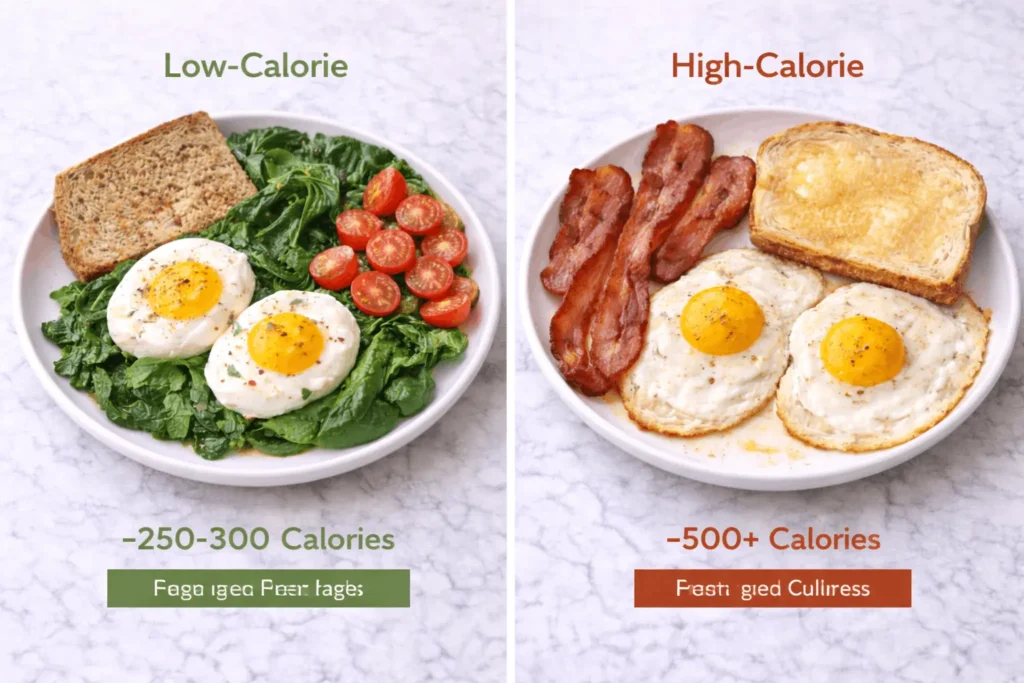
Cooking Methods That Keep Calories Lower
| Cooking Method | Weight Loss Friendly? | Why |
|---|---|---|
| Boiled | ✅ Yes | No added fat |
| Poached | ✅ Yes | Low calorie |
| Light scramble | ⚠️ Depends | Depends on oil used |
| Fried in butter | ❌ Less ideal | Adds extra calories |
If you prefer boiled eggs, see how to boil eggs properly.
Foods That Pair Well With Eggs for Weight Control
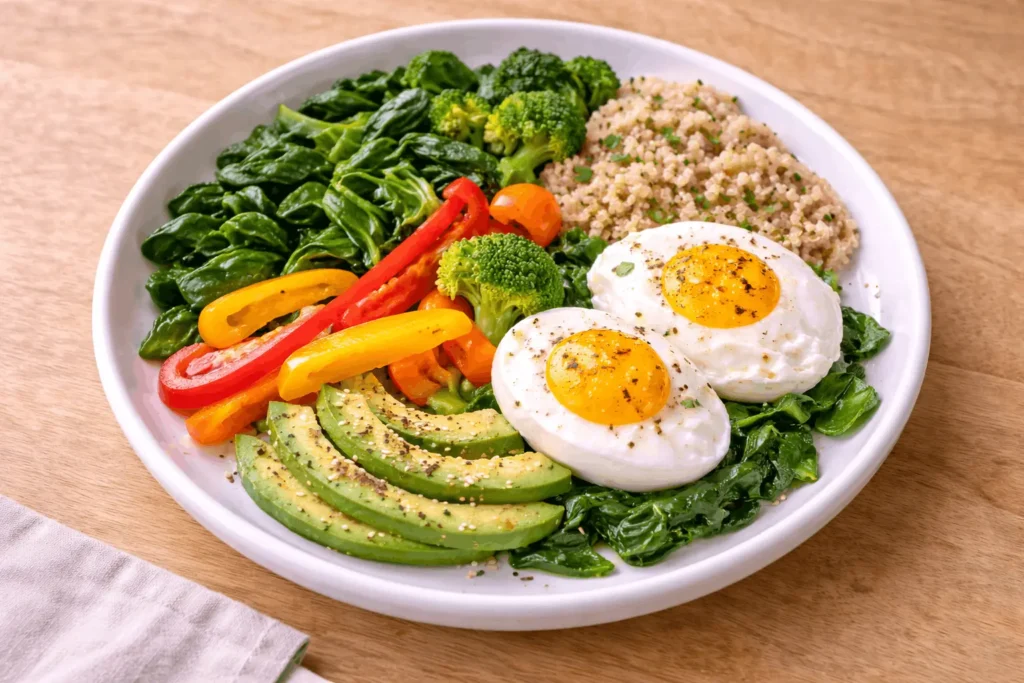
For a balanced meal, pair eggs with:
- Vegetables (fiber + volume)
- Whole grains (steady energy)
- Other high fiber foods
These combinations improve fullness and nutrient balance.
When Should You Eat Eggs for Weight Loss?
Timing can affect appetite, but it is not the main factor.
Eggs at Breakfast vs Later in the Day
Eating eggs at breakfast may help some people feel fuller for longer and reduce hunger later in the day.
Eggs and Appetite Control Throughout the Day
Eggs can also fit well at lunch or dinner. What matters most is your total calorie intake over the entire day.
Whole Eggs vs Egg Whites for Weight Loss
Both whole eggs and egg whites can fit into a weight loss plan.
Calorie and Protein Differences
Egg whites are lower in calories and fat, while whole eggs contain more nutrients from the yolk.
Nutrient Trade Offs to Consider
Whole eggs provide vitamins and healthy fats that egg whites do not. The better choice depends on your overall diet and calorie needs.
How Many Eggs Can You Eat for Weight Loss?
There is no single number that works for everyone.
General Daily Ranges for Most People
Many people can include one to two eggs per day as part of a balanced diet.
Factors That Change Individual Egg Needs
Egg intake depends on total calories, activity level, health conditions, and overall diet quality.
Eggs Compared to Other Common Weight Loss Foods
Eggs are often compared with other popular choices.
Eggs vs Oatmeal
Eggs provide more protein, while oatmeal provides more fiber. Both can support weight loss when eaten in appropriate portions.
Eggs vs Yogurt or Protein Shakes
Eggs are solid foods, which often promote fullness better than liquid meals or shakes.
Eggs vs Plant Based Protein Sources
Plant proteins can also support weight loss, but eggs are complete proteins that contain all essential amino acids.
What Does Research Say About Eggs and Weight Loss?
Research shows mixed but useful results.
Eggs and Appetite Control
Several studies show egg based meals increase fullness, which may reduce calorie intake later in the day.
Eggs and Body Weight Outcomes
Research does not show that eggs cause weight gain on their own. Overall diet quality and calorie balance matter more.
Why Study Results Can Vary
Results vary based on portion size, diet composition, study length, and individual metabolism.
Eggs and Metabolic Health During Weight Loss
Eggs may support metabolic health when eaten in moderation.
Muscle Preservation and Metabolic Rate
Protein helps preserve muscle during weight loss, which supports calorie burn.
Blood Sugar and Insulin Response
Eggs have little effect on blood sugar and may be useful for people managing glucose levels. You may also want to read “Are Eggs Anti-Inflammatory?“
Eggs and Weight Loss Plateaus
Eggs alone cannot break a weight loss plateau.
Why Eggs Alone Don’t Break Plateaus
Plateaus often happen due to reduced calorie burn, lower activity, or metabolic adaptation. Eggs can support weight loss, but they cannot override poor sleep, chronic stress, or consistently high calorie intake.
Other Factors That Matter More Over Time
Sleep, movement, stress management, and dietary variety all play important roles.
Are Eggs Good for Weight Loss on Popular Diet Styles?
Eggs fit into many eating patterns.
Eggs in Low Carb or Keto Style Diets
Eggs are low in carbohydrates and fit well into low carb eating styles.
Eggs in Mediterranean Style Eating
Eggs are eaten in moderation and pair well with vegetables, olive oil, and whole foods.
Eggs in High Protein Diets
Eggs are an affordable and accessible protein source.
When Eggs Might Not Help With Weight Loss
Eggs are not helpful in every situation.
Portion Size and Added Calories
Large portions or cooking eggs with excess fats can slow weight loss.
Individual Cholesterol Response
Some people respond differently to dietary cholesterol. Learn more in Are Eggs Bad for cholesterol.
When Dietary Variety Matters More
Relying too heavily on one food can reduce diet quality. Variety supports long term success.
Common Myths About Eggs and Weight Loss
Do Eggs Burn Belly Fat?
No. Eggs do not target belly fat specifically.
Are Egg Whites Always Better Than Whole Eggs?
Not always. Whole eggs provide more nutrients.
Can Eggs Slow Down Weight Loss?
Eggs do not slow weight loss. Excess calories do.
Frequently Asked Questions
Can You Eat Eggs Every Day While Losing Weight?
Many people can, as long as eggs fit into a balanced diet.
Are Eggs Good for Weight Loss if You Have Diabetes?
Eggs may help with blood sugar control, but individual guidance is best. See are eggs good for diabetics.
Are Eggs Better Than Skipping Breakfast?
For many people, yes. Skipping meals can increase hunger later.
Bottom Line: Are Eggs Good for Weight Loss?
Eggs can support weight loss, but they are not a shortcut or a guarantee. Their protein content can help many people feel full and manage hunger, especially when eggs replace more calorie dense or highly processed foods. At the same time, weight loss still depends on overall calorie intake, food quality, activity level, sleep, and consistency. For most people, eating eggs in moderation as part of a varied, balanced eating pattern is reasonable. Used thoughtfully, eggs can support long term weight management without extreme rules or misleading promises.


