
Are Eggs Good for Diabetics? Benefits, Risks, and Blood Sugar Impact
Eggs are a regular part of many meals, especially breakfast. They are affordable, filling, and easy to prepare. However, if you have diabetes, eggs can quickly become confusing. One day they are praised as a healthy, low-carb food. The next day, they are blamed for cholesterol or long-term health risks. This mixed messaging leaves many people unsure about what to eat and what to avoid.
If you have ever wondered whether eggs will raise your blood sugar, harm your heart, or make diabetes harder to manage, you are not alone. Diabetes nutrition is not about banning single foods—it is about understanding how foods fit into a balanced diet. This guide explains how eggs affect blood sugar, cholesterol, and overall health using clear, evidence-based information. There are no extreme claims or diet trends here—only practical guidance you can trust.
Quick Takeaway: Eggs and Diabetes
- Eggs are very low in carbohydrates
- Eggs usually do not raise blood sugar
- Cooking method and food pairing matter
- Whole eggs are fine in moderation for most people
- Some people may need limits based on overall health
What Is Diabetes and Why Diet Matters
Diabetes affects how your body manages blood sugar. Blood sugar mainly comes from carbohydrates. Insulin helps move sugar from the blood into your cells so it can be used for energy. When insulin does not work well, blood sugar can stay high over time.
Over time, consistently high blood sugar can damage blood vessels, nerves, eyes, kidneys, and the heart. This is why food choices matter. Foods that are lower in refined carbohydrates and higher in protein or fiber often help keep blood sugar levels more stable.
Types of Diabetes
- Type 1 diabetes: The body does not produce insulin
- Type 2 diabetes: the body does not use insulin effectively
- Prediabetes: blood sugar is higher than normal but not yet diabetic
- Gestational diabetes: diabetes during pregnancy
Eggs affect blood sugar in a similar way across all types because they contain very little carbohydrate. For people with Type 1 diabetes, insulin dosing is driven mainly by carbohydrate intake, not eggs themselves. For people with Type 2 diabetes or prediabetes, eggs may sometimes replace refined carbohydrates as part of a balanced diet.
Can People With Diabetes Eat Eggs?
Yes. Most people with diabetes can safely eat eggs.
Eggs contain almost no carbohydrates, which means they usually do not cause sharp blood sugar spikes. They also provide protein and fat, which help slow digestion and increase fullness.
If you want a broader nutritional perspective beyond diabetes, you can also read our guide on are eggs good for you.
Do Eggs Raise Blood Sugar Levels?
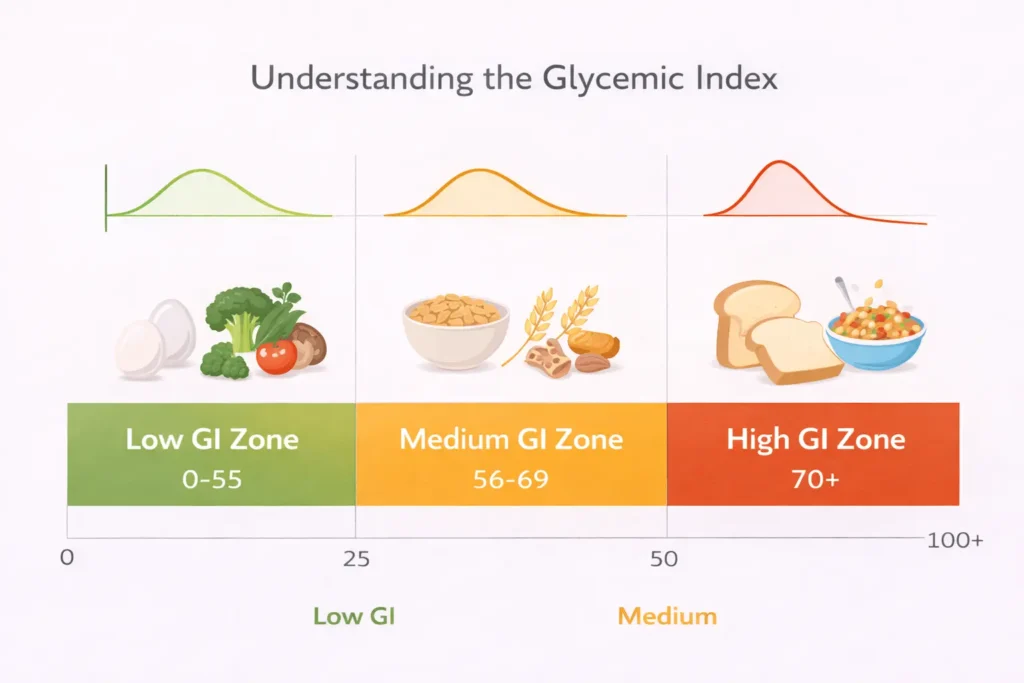
Eggs have a glycemic index close to zero, meaning they do not raise blood sugar quickly. This makes them very different from foods like white bread or sugary cereals.
Glycemic Index vs Glycemic Load
- Glycemic index (GI) measures how quickly a food raises blood sugar
- Glycemic load (GL) considers both GI and portion size
Eggs are low in both GI and GL.
Eggs and Insulin Sensitivity
Eggs contain protein and fat, which slow digestion and reduce rapid glucose release into the bloodstream. When eggs are eaten with fiber-rich foods such as vegetables, blood sugar levels tend to remain more stable after meals.
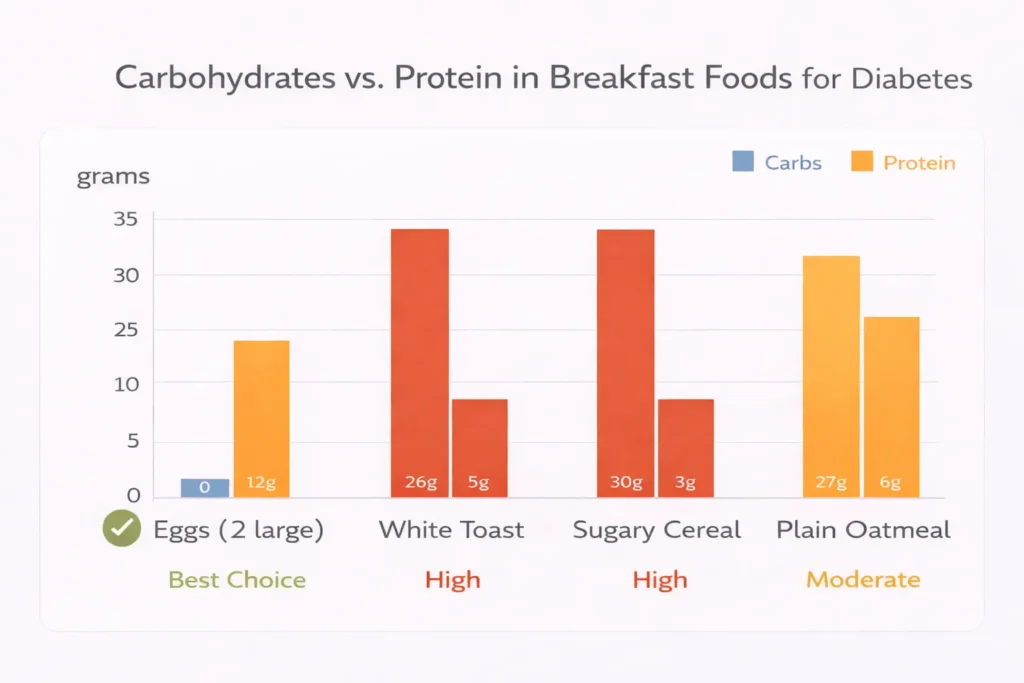
Eggs vs Common Breakfast Foods (Blood Sugar Comparison)
| Food | Carbohydrates | Protein | Blood Sugar Impact |
|---|---|---|---|
| Eggs (2 large) | ~1 g | ~12 g | Very low |
| White toast | ~26 g | ~5 g | High |
| Sugary cereal | ~30 g | ~3 g | Very high |
| Plain oatmeal | ~27 g | ~6 g | Moderate |
Nutritional Benefits of Eggs for People With Diabetes
Eggs are nutrient-dense foods. One large egg provides about six grams of high-quality protein along with important vitamins and minerals.
Protein supports appetite control and muscle health, which can be helpful for people managing blood sugar.
Eggs also provide vitamin B12, vitamin D, choline, selenium, lutein, and zeaxanthin nutrients that support metabolic and eye health.
Egg Yolks vs Egg Whites for Diabetes Management
Both egg yolks and egg whites can fit into a diabetes-friendly diet.
- Egg whites are low in calories and contain mostly protein
- Egg yolks contain healthy fats and most vitamins and minerals
For most people with diabetes, whole eggs are fine in moderation. If you want a deeper nutritional comparison, see our guide on [egg yolk vs egg white nutrition].
Eggs, Cholesterol, and Heart Health in Diabetes
People with diabetes have a higher risk of heart disease, which is why cholesterol is often a concern. Eggs are high in dietary cholesterol, but dietary cholesterol does not affect blood cholesterol the same way for everyone.
For many people, saturated fat has a stronger effect on cholesterol levels than eggs themselves. This topic is explained in more detail in are eggs bad for cholesterol.
What Does the Science Say About Eggs and Diabetes?
Research on eggs and diabetes shows mixed results. Randomized controlled trials often find that eggs do not raise fasting blood sugar or worsen A1C levels when eaten as part of a balanced diet. Some studies also show improved fullness and meal satisfaction.
Observational studies have sometimes found links between higher egg intake and diabetes risk, but these studies cannot prove cause and effect. Overall diet patterns explain much of the difference.
How Many Eggs Can People With Diabetes Eat?
There is no single rule that fits everyone. Many experts suggest up to one egg per day or about six to seven eggs per week for most people with diabetes.
For general intake guidance, see our detailed article on how many eggs can you eat per day.
Portion Guidance at a Glance
| Situation | Suggested Approach |
|---|---|
| Most people with diabetes | Up to 1 egg per day |
| High cholesterol concerns | Use egg whites more often |
| Balanced, high-fiber diet | Eggs fit well |
| History of heart disease | Seek medical guidance |
How to Eat Eggs for Better Blood Sugar Control
How eggs are prepared and paired matters just as much as how many are eaten.
Better vs Less Ideal Ways to Eat Eggs
| Better Choices | Less Ideal Choices |
|---|---|
| Boiled or poached eggs | Fried eggs in butter |
| Eggs with vegetables | Eggs with white bread |
| Light oil cooking | Heavy sauces |
| Whole foods | Processed meats |

When Is the Best Time to Eat Eggs if You Have Diabetes?
Eggs are commonly eaten at breakfast. Protein-rich breakfasts may help reduce hunger later in the day and support steadier morning blood sugar levels. Eggs can also be eaten at lunch or dinner as long as meals remain balanced.
Eggs vs Other Protein Sources for Blood Sugar Control
Compared to refined carbohydrates, eggs cause much smaller blood sugar changes. Compared to some plant-based proteins, eggs provide complete protein with fewer carbohydrates. This makes eggs a reliable protein option when used thoughtfully.
Can Eggs Help Improve A1C Over Time?
Eggs do not directly lower A1C levels. However, replacing refined carbohydrates with eggs may help reduce blood sugar spikes and improve overall meal balance. Over time, this can support better blood sugar control as part of a healthy eating pattern.
Common Mistakes Diabetics Make When Eating Eggs
Common mistakes include pairing eggs with white bread, frying them in butter, eating large amounts without balance, and skipping vegetables and fiber. Avoiding these habits helps eggs remain a safe and useful food choice.
Who This Advice Is Most Relevant For
This information is most relevant for:
- Adults with Type 2 diabetes or prediabetes
- People managing blood sugar through diet
- Caregivers cooking for someone with diabetes
People with Type 1 diabetes, heart disease, or other medical conditions should seek individualized medical advice.
Conclusion
Eggs are not a forbidden food for people with diabetes. When eaten in moderation and prepared using simple cooking methods, they usually do not harm blood sugar control. Their low carbohydrate content and high-quality protein make them a practical option for many meals.
What matters most is the overall diet. Eggs work best when paired with vegetables, fiber-rich foods, and balanced meals. If you have diabetes along with heart disease or high cholesterol, personal guidance from a healthcare professional is important. For most people, eggs can be enjoyed confidently as part of a thoughtful, diabetes-friendly eating pattern.


